Category: Canadian

  • Celebrating Women Artists and Women in the Art World

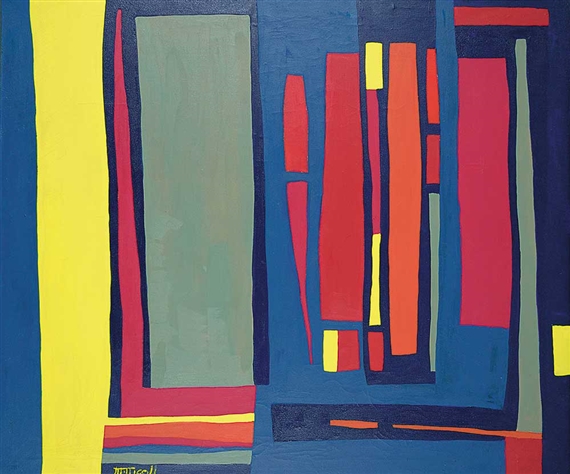
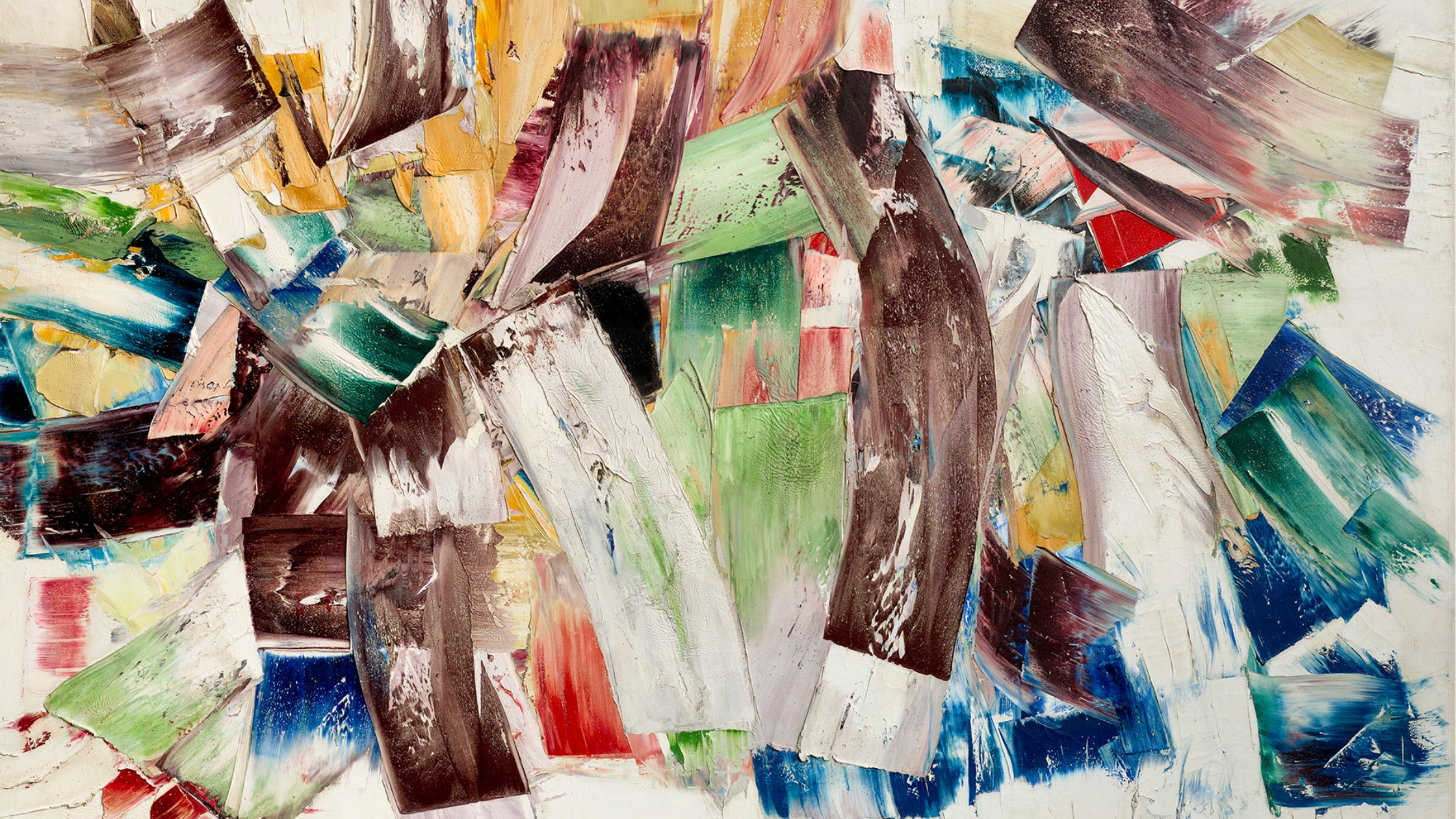
    Marcelle Ferron, Sans titre, 1960, (Price realized: $1,260,000)

    by Katherine Meredith, Art Specialist

    Cowley Abbott is proud to celebrate Women’s History Month and International Women’s Day on March 8th. We honour and recognize women’s participation in many aspects of the art world: as artists, collectors, curators, philanthropists, art patrons, teachers, and more. 

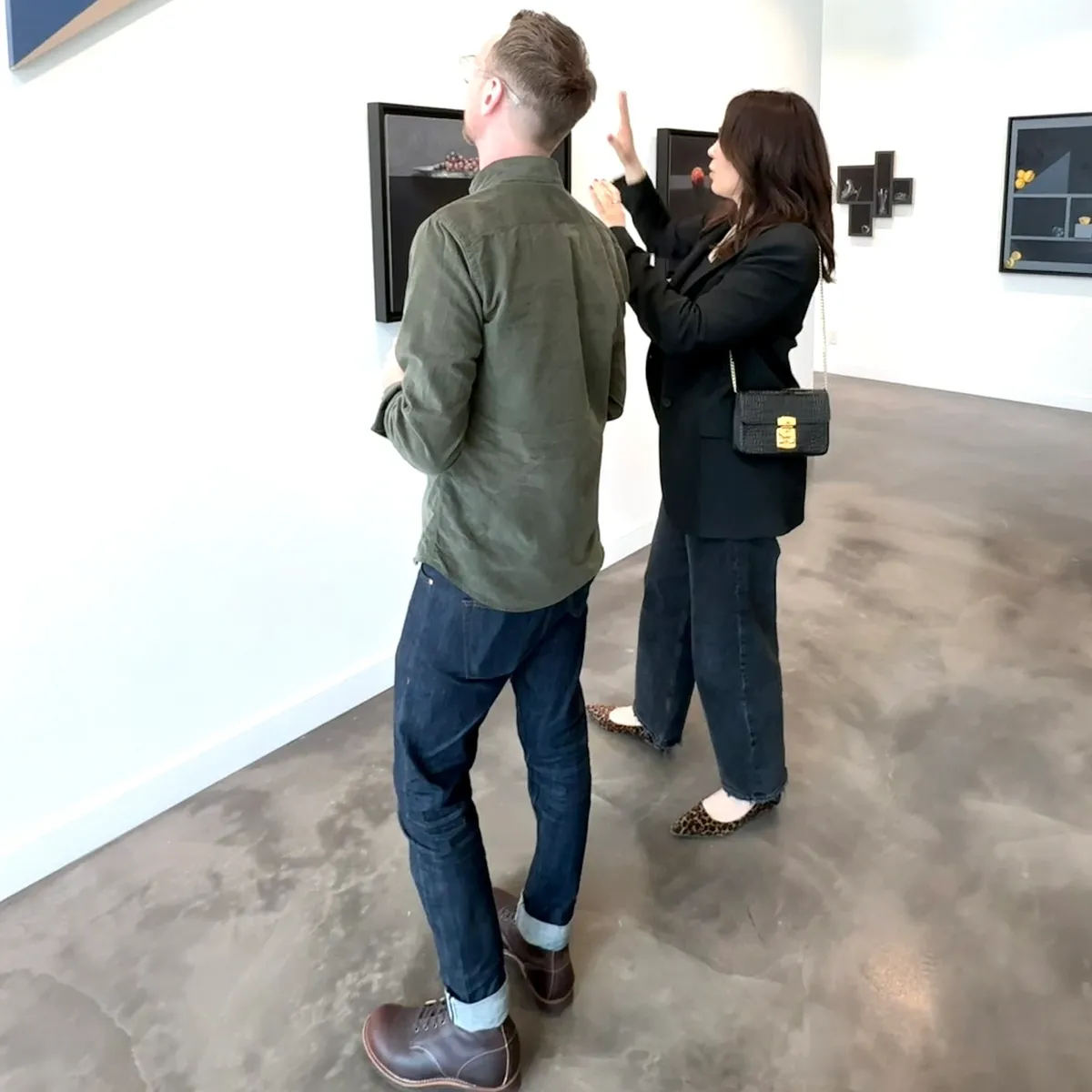
    First of all, I would like to acknowledge the women who make up the majority of the fantastic team at Cowley Abbott, starting with Partner and Vice President Lydia Abbott, and my colleagues Anna Holmes, Catherine Lacroix, Nicole Plaskett, Sydney Rodrigues and Julia De Kwant. Our unique combination of expertise, professionalism, creativity and organization make the auction house excel in the industry. Lydia and Anna have also formed a women’s group of clients, professionals and colleagues in the art world, who meet regularly for exhibition tours. Last spring, Lydia and Anna hosted a panel at Cowley Abbott on the topic of women in the Canadian art industry. I look forward to being a part of this initiative as it grows further, and please contact us if you wish to be a part of this group!

    I recently read a fascinating article in The New York Times that resonated with me in many ways. Entitled “Gathering Force in the Art Market: Female Collectors”, the article states that with women controlling an increasing share of global wealth, they are spending more money on art than men are. The author also notes that women are particularly thoughtful when collecting art, focusing on nurturing artists careers, or highlighting historically underrepresented artists. I have noticed firsthand that the next generation of collectors — particularly millennials, and particularly women — are driven less by speculation or “trophy names” and more by shared values, substance, and story. In Canada, this has translated into strong engagement with Indigenous and women artists who were long overlooked by the market.
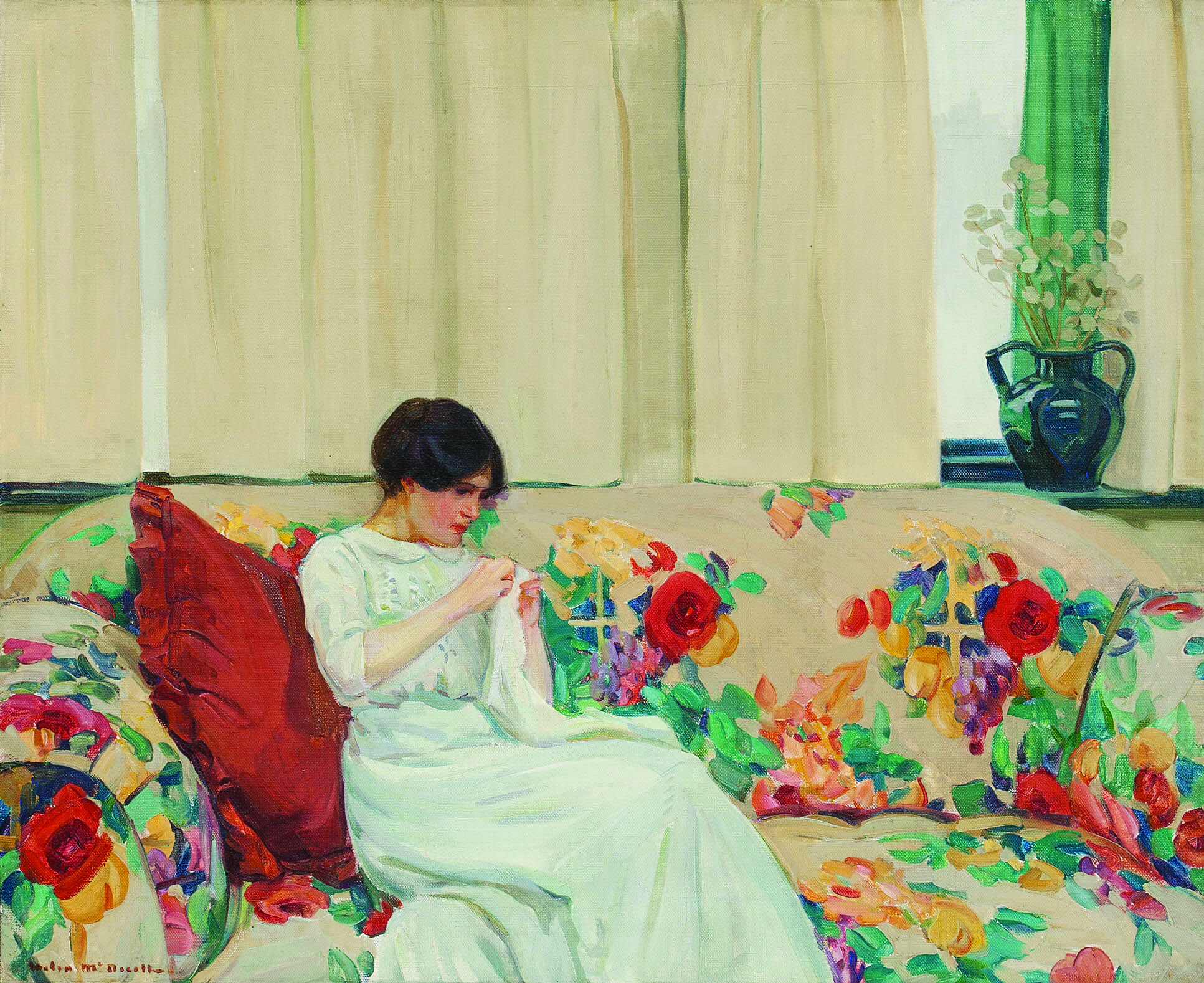
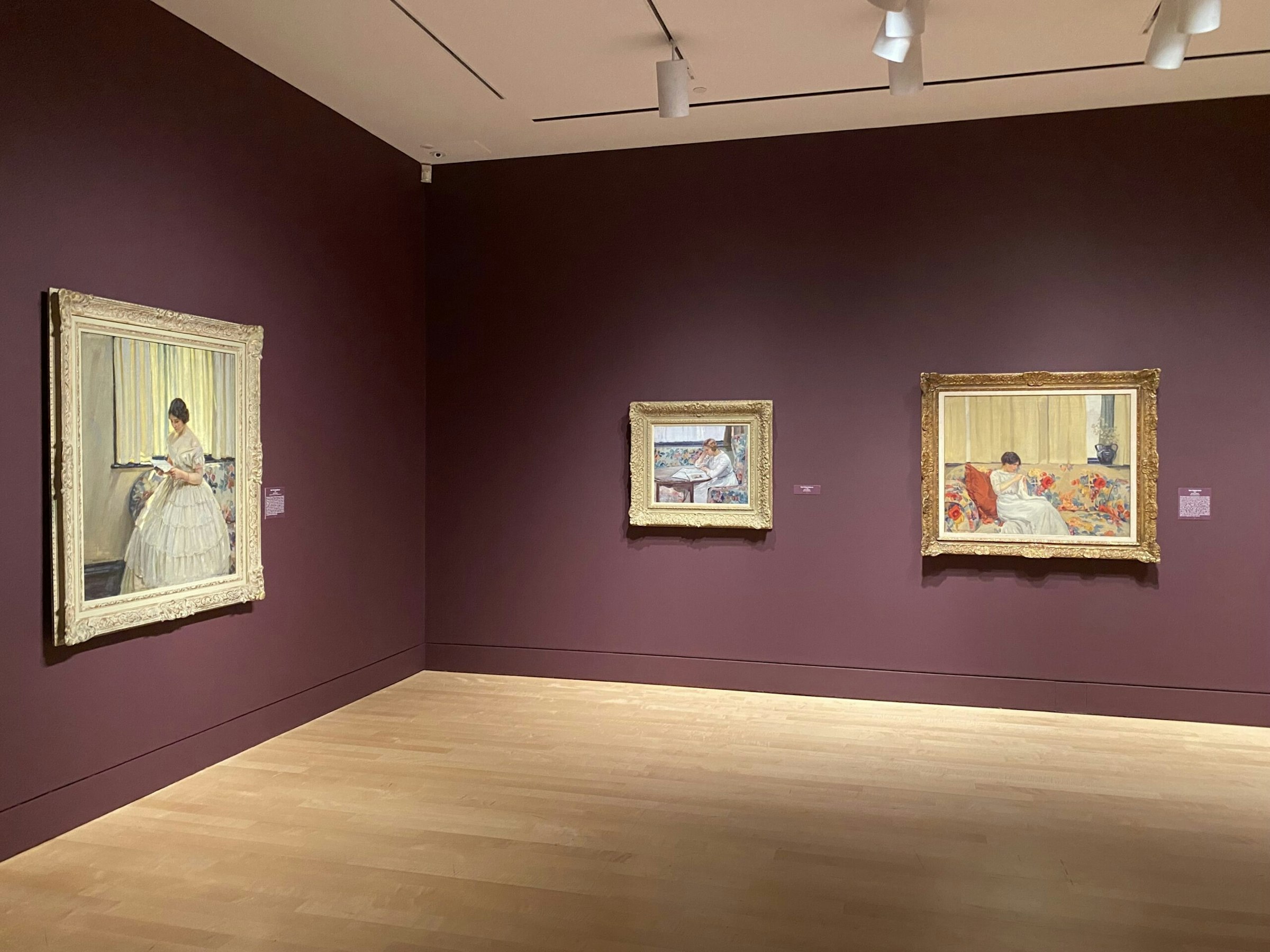
    The New York Times article also mentions how there is a growing presence of women on museum boards and acquisition committees, and thus are influencing exhibitions and collecting practices. Museums in Canada and abroad are showing more exhibitions devoted to women artists than they did over the last few decades. The recent exhibition Helen McNicoll: An Impressionist Journey, was held at the Musée national des beaux-arts du Québec and the Art Gallery of Hamilton, and soon will be presented at the National Gallery of Canada. Cowley Abbott was a proud sponsor of the Hamilton exhibition and we were thrilled to see The Chintz Sofa again – one of the highlights of our December 2023 auction of An Important Private Collection. The show brought together dozens of works in what was described as the first major retrospective of McNicoll’s work in about a century.

    Similarly, Joyce Wieland: Heart On, organized by the Montreal Museum of Fine Arts and the Art Gallery of Ontario, was the first full retrospective devoted to Wieland in nearly forty years. The exhibition assembled more than 100 works across media—painting, collage, textiles, prints, and experimental films—to show the breadth of her practice and position her as a major figure in twentieth-century art and film. Curators emphasized themes that feel particularly resonant today: feminism, national identity, social justice, and environmental awareness. 

    For the past four years, Cowley Abbott has been organizing online auctions dedicated to women artists every March, due to high demand and in honour of Women’s History Month. These sales have proven to be very popular with collectors. This year, I feel we have a particularly strong selection of historical, post-war and contemporary artists in the auction, which is entitled “Celebrating Women Artists” and runs from March 10th to 24th, 2026.

    A highlight of the auction is a beautiful mother and child portrait by Canadian painter Mary Alexandra Bell Eastlake (1864-1951). Although not exclusively a figure painter, the artist was known for her depictions of women and children in domestic outdoor settings, which was deemed an acceptable subject for female painters of the time. Eastlake’s paintings have drawn very strong interest in recent years, with When Spring Rides Through the Woods selling for $96,000 in this past November’s live auction, and In The Orchard setting the auction record for Eastlake in 2023, achieving a price of $168,000.

    Two post-war highlights in the auction are abstract paintings by Quebec artists Marcella Maltais (1933-2018), and Lise Gervais (1933-1998). Both women emerged in the 1950s–60s Quebec art scene, following the influence of Paul-Émile Borduas and the Automatistes while developing their own personal forms of lyrical abstraction.

    We are excited to have a charming embroidered crest by Joyce Wieland in the auction, entitled The White Snow Goose of Canada. It was produced in 1971 while the artist was experimenting with a wide range of materials and exploring ideas of tactility in art. Her work was deeply political, addressing nationalism, feminism, and ecology. This White Snow Goose of Canada crest brings these themes together, reflecting the artist’s interest in their interconnectedness.

    Another highlight of “Celebrating Women Artists” that I would like to draw attention to is a collection of works by Anne Kahane (1924-2023), an Austrian-born Montreal sculptor known for her expressive figurative sculptures exploring themes of human suffering, resilience, and social justice. She worked during a period when women sculptors were relatively rare, and created numerous public monuments across Canada. Kahane is now recognized as an important figure in Canadian sculpture, yet she is still not widely known to the public. However, the Montreal Museum of Fine Arts is organizing an exhibition on her work, opening in November 2026. Cowley Abbott is excited to have four lots in our auction from the estate of Anne Kahane, including brass sculptures and colourful woodblock prints.

    I invite you to browse the auction for more compelling works by Canadian women artists. It is inspiring to see the growing recognition of these artists and the many women helping to shape the future of the art world in Canada and worldwide.
  • What’s on in January

    January at Cowley Abbott: Online Auctions & A New Bidding Experience, DesignTO and Art Collecting Conversations

    January Online Auctions
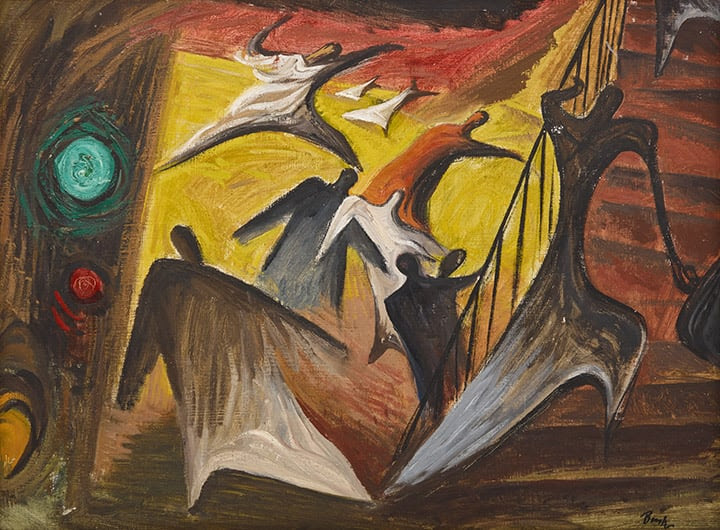
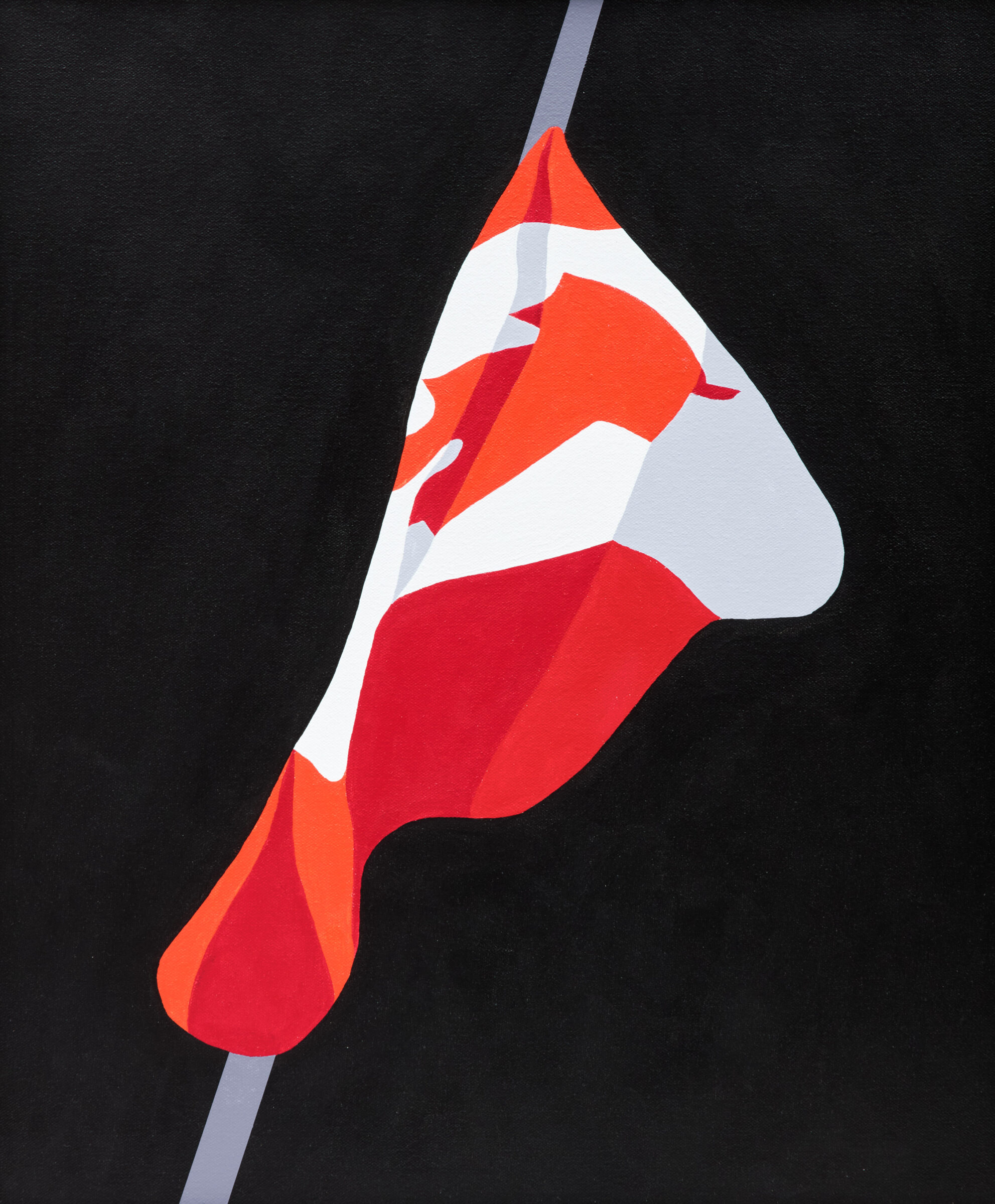
    Cowley Abbott is pleased to present a captivating variety of works offered over six online sessions this month. Our January Online Auction features an early figurative painting by Jack Bush, a selection of works by Canadian pop artist Charles Pachter, and a nineteenth-century vista by Marc-Aurèle de Foy Suzor-Coté. Bidding will conclude on Tuesday, January 27th.

    We are also excited to be participating in DesignTO this year as an Independent Project. To mark the occasion, we will be hosting a breakfast preview and gallery tour on Saturday, January 24th, from 11:00 am to 1:00 pm. All are welcome! We look forward to connecting with members of the design community and with anyone who enjoys living with original art. Please RSVP to [email protected]

    New Online Bidding Experience
    We are pleased to introduce an improved online bidding experience. When you create a profile on our website, your Auction Mobility bidding account is created at the same time, using the same login and password for both platforms. If you already have an Auction Mobility account from our live auctions, it will automatically link to your new Cowley Abbott profile, making it easier than ever to participate in our sales. As always, our team is available to assist throughout the auction period; and please don’t hesitate to give us a call for support with the new bidding platform.

    Conversations on Art Collecting
    Art Specialist Katherine Meredith continues her ongoing dialogue with voices from the Canadian art and design world, exploring the many ways people engage with and collect art today. United by a shared goal of making the art world more approachable and accessible, she recently sat down with art advisor Megan Paterson of Aurelia Fine Art. Below are select excerpts from their conversation.

    Why do you think original art should be an important part of everyone’s home and life?

    Art connects us and consoles us in ways that there aren’t words for. It inspires us and it validates our identities and struggles that are hard to share with each other. I might not be able to tell anyone that I’m sometimes horrified by existence but there are numerous artworks I can turn to that will assure me I’m not alone.

    What advice do you give to people who are new to art collecting?

    It’s all about what speaks to you and there really aren’t any wrong choices. The only place you can go wrong is not being properly educated about your choices so it’s essential you work with trustworthy professionals so you know exactly what you’re buying.

    What are some challenges you find with your role as an art advisor? 

    The biggest challenge is trying to explain to people what an art advisor does (lol) but beyond that, challenges are ultimately my opportunities. A lot of people want me to talk about the challenge of imposing my taste on my clients but I don’t see that as my job. My job is to encourage them to trust their own taste, help clear that path for them and make sure they’re fully and properly educated and supported on each decision. 

    If you could choose a work of art from Canadian art history, what artwork would you choose and why?

    My favourite painting to visit is the big Kurelek in the AGO of the scraggly solitary tree looking down at all the kids playing, but I’d also take pretty much any painting by Alex Colville or Marion Nicoll. I know you said one but that’s an impossible request of any art person!

    Which artworks from our January online auction do you have your eye on, and why do they speak to you?

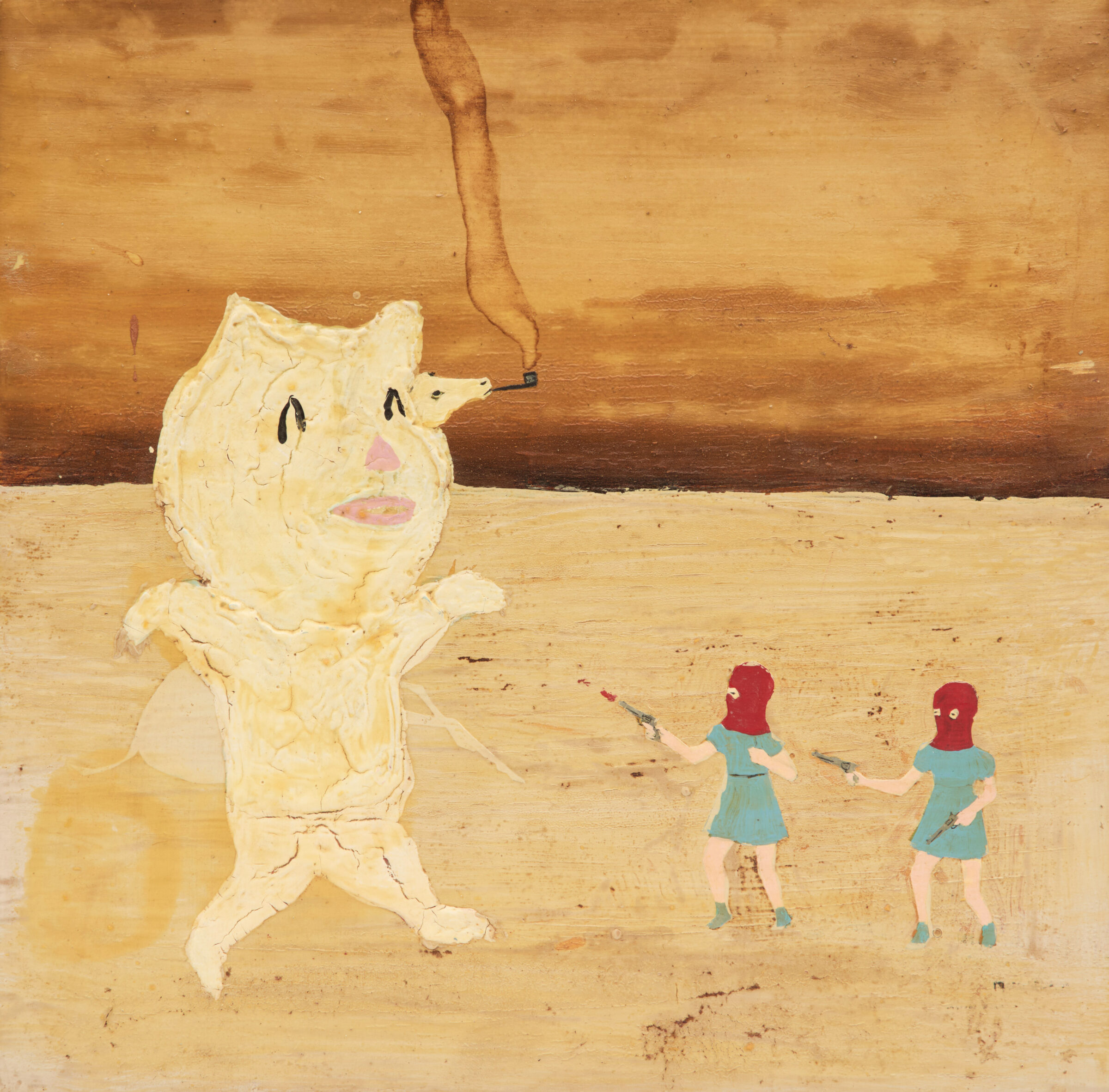
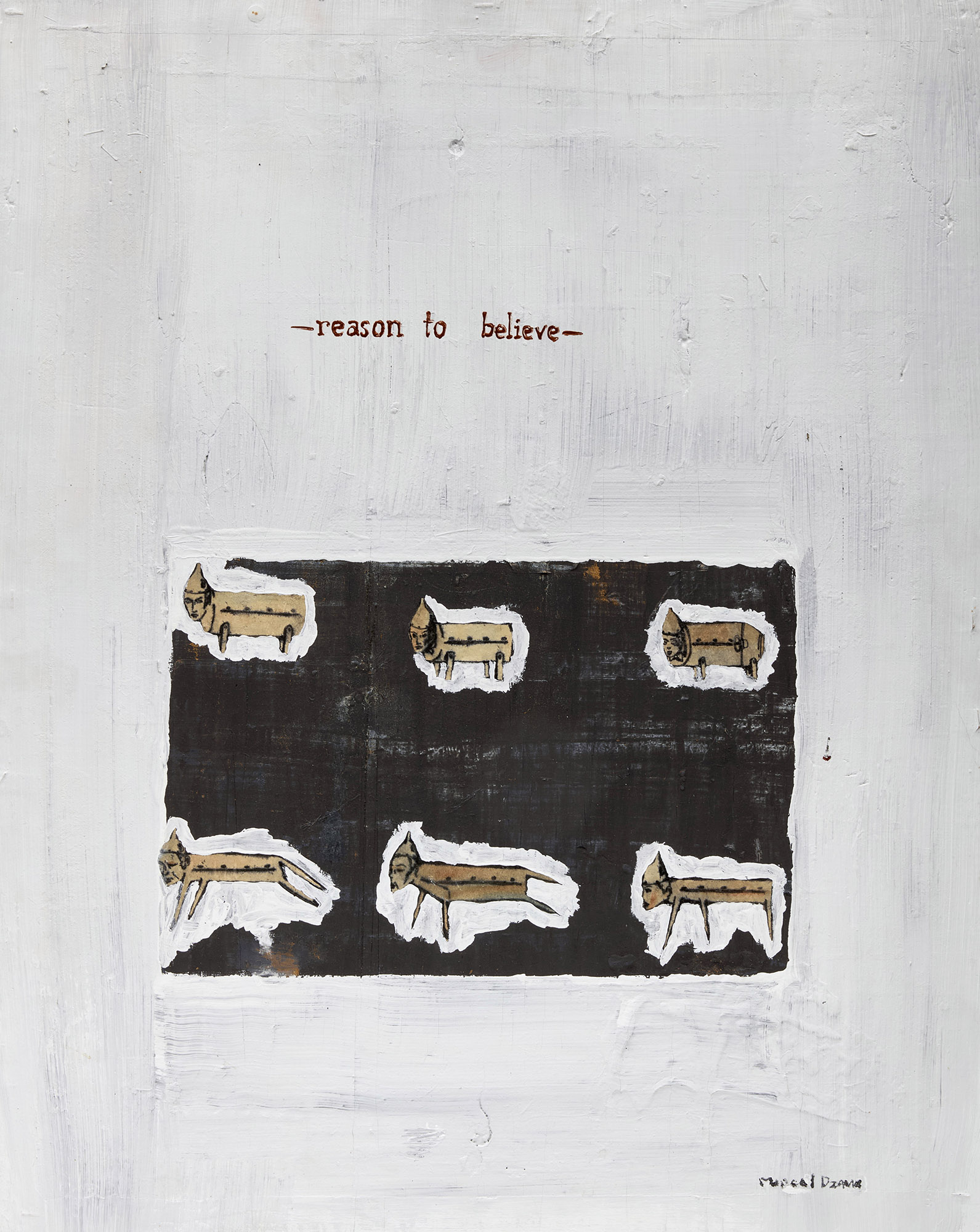
    Both Marcel Dzamas. I was an early 2000s indie music girl and fell in love with his artwork on the Weakerthans and Beck album covers. I also love words and therefore text-based art so “Reason to Believe” really appeals and it’s probably not related but reminds me of the Rod Stewart song, which I adore. 

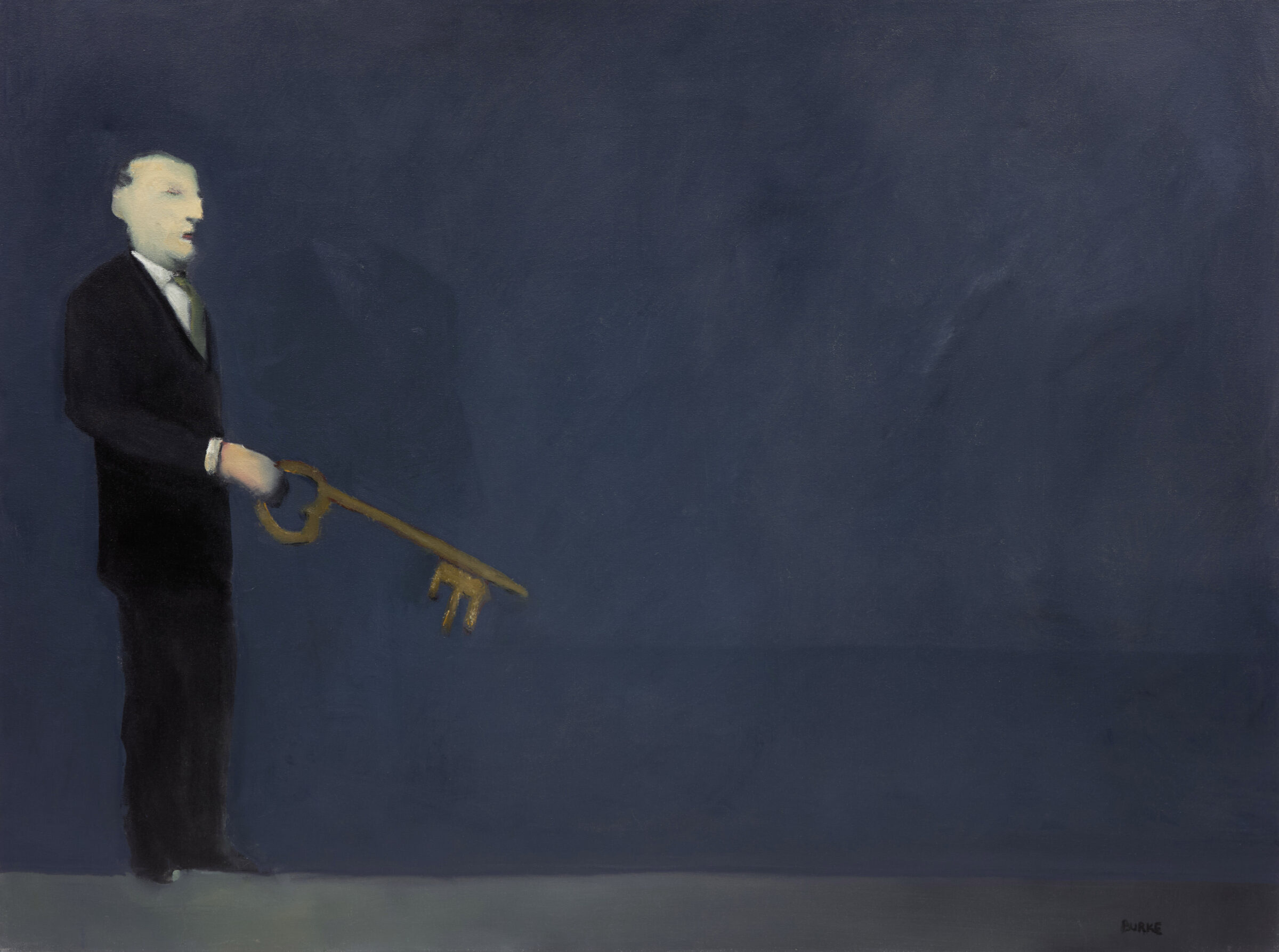
    The Brian Burke. I’d actually never heard of this artist before but love how dark and mysterious it is and how it sucks me right in just trying to figure out what the hell the narrative is there.

    Yuri Dojc, “Sweet Stillness”. I’d also never heard of this artist before but I just simply like the image and don’t really have an explanation why beyond that!

  • Maîtres du Québec : Un héritage d’innovation

    Cowley Abbott est ravi de présenter, pour la saison des enchères d’automne 2025, une sélection distinguée d’œuvres d’art québécois couvrant plus d’un siècle d’innovation artistique et d’expression culturelle. Des premiers portraits à l’abstraction d’après-guerre, ces œuvres retracent l’évolution de la vision artistique dans la province.

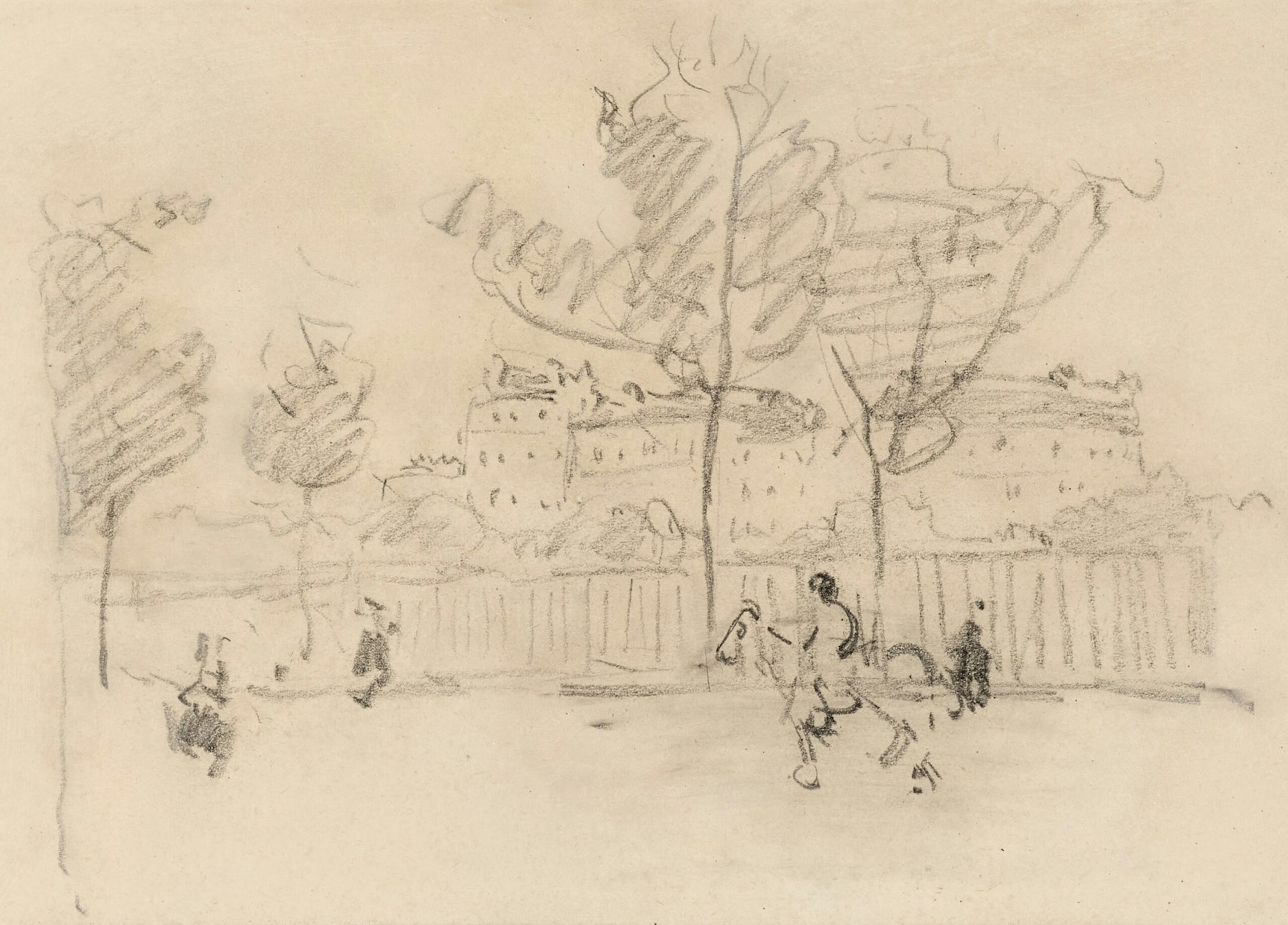
    Les scènes intimes d’enfants et les croquis de la France réalisés par J.W. Morrice illustrent comment l’artiste a fait le pont entre les traditions académiques du XIXᵉ siècle et l’émergence d’une vision moderne dans la peinture canadienne.

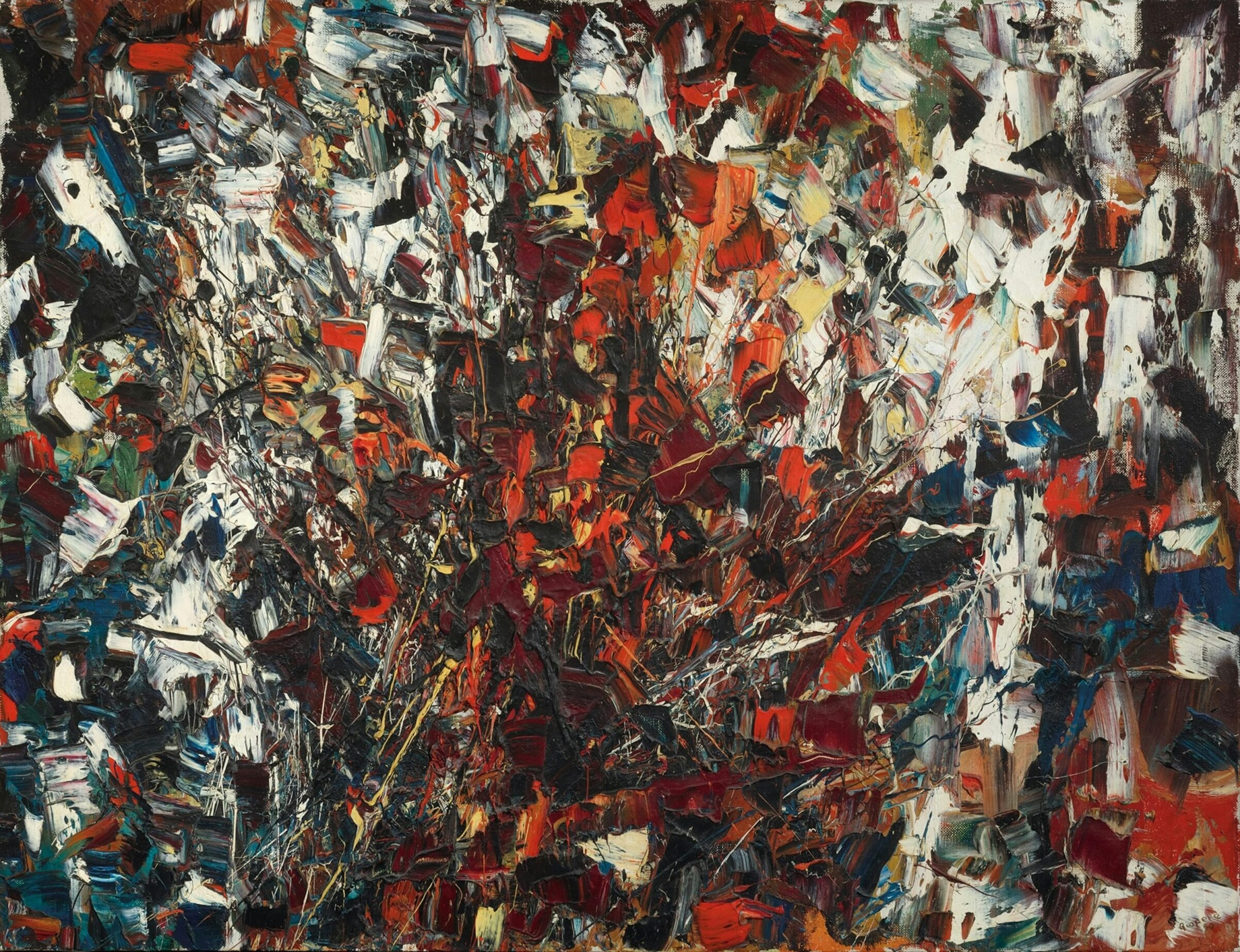
    Une remarquable huile de 1950 par Jean Paul Riopelle marque le début de sa série de mosaïques la plus célébrée. L’artiste venait alors de s’établir à Paris, où il se sentit libéré du poids oppressant du contrôle de l’Église catholique sur la société québécoise. Riopelle chercha à inventer son propre langage visuel et à créer librement, loin de tout dogme et de toute contrainte.

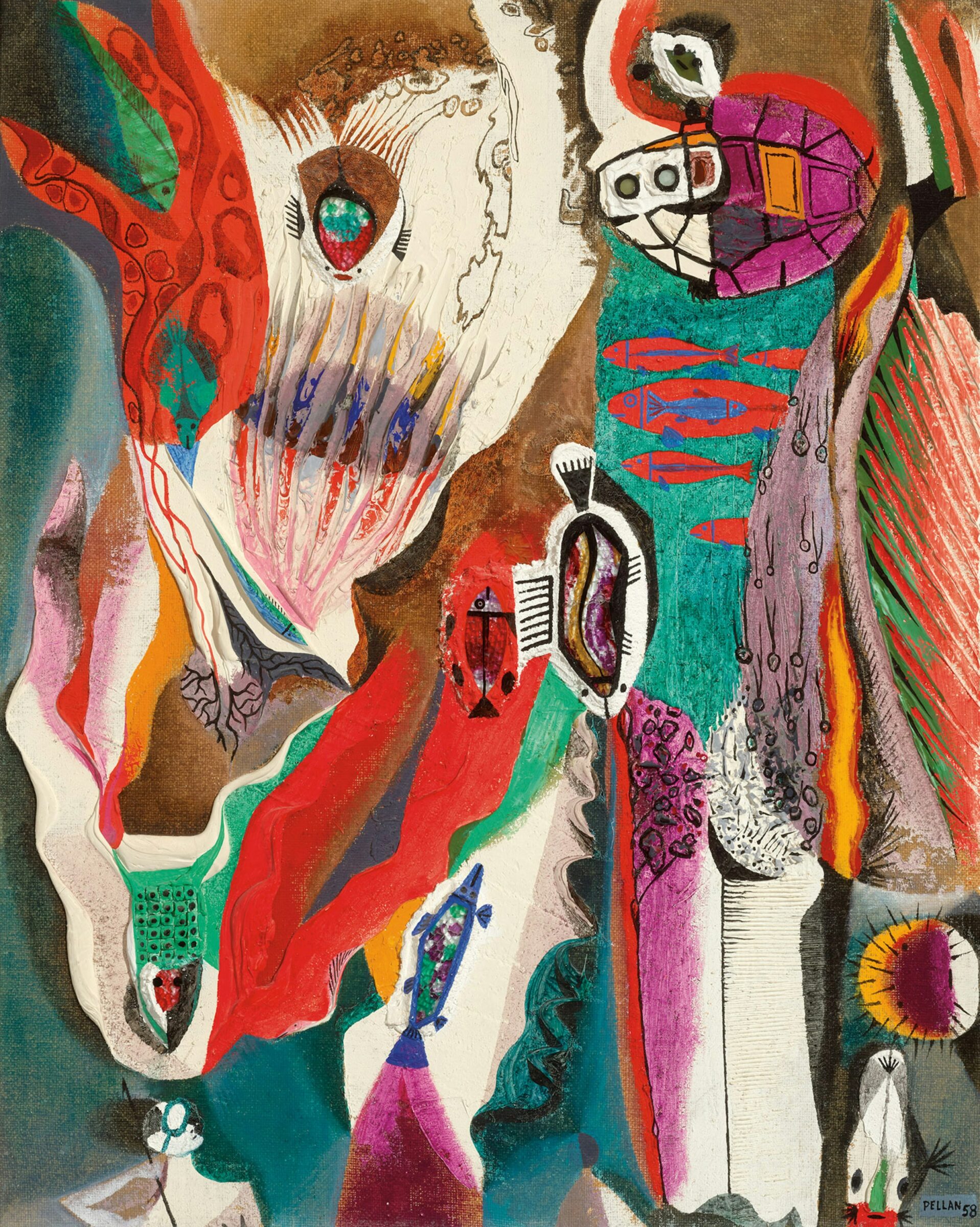
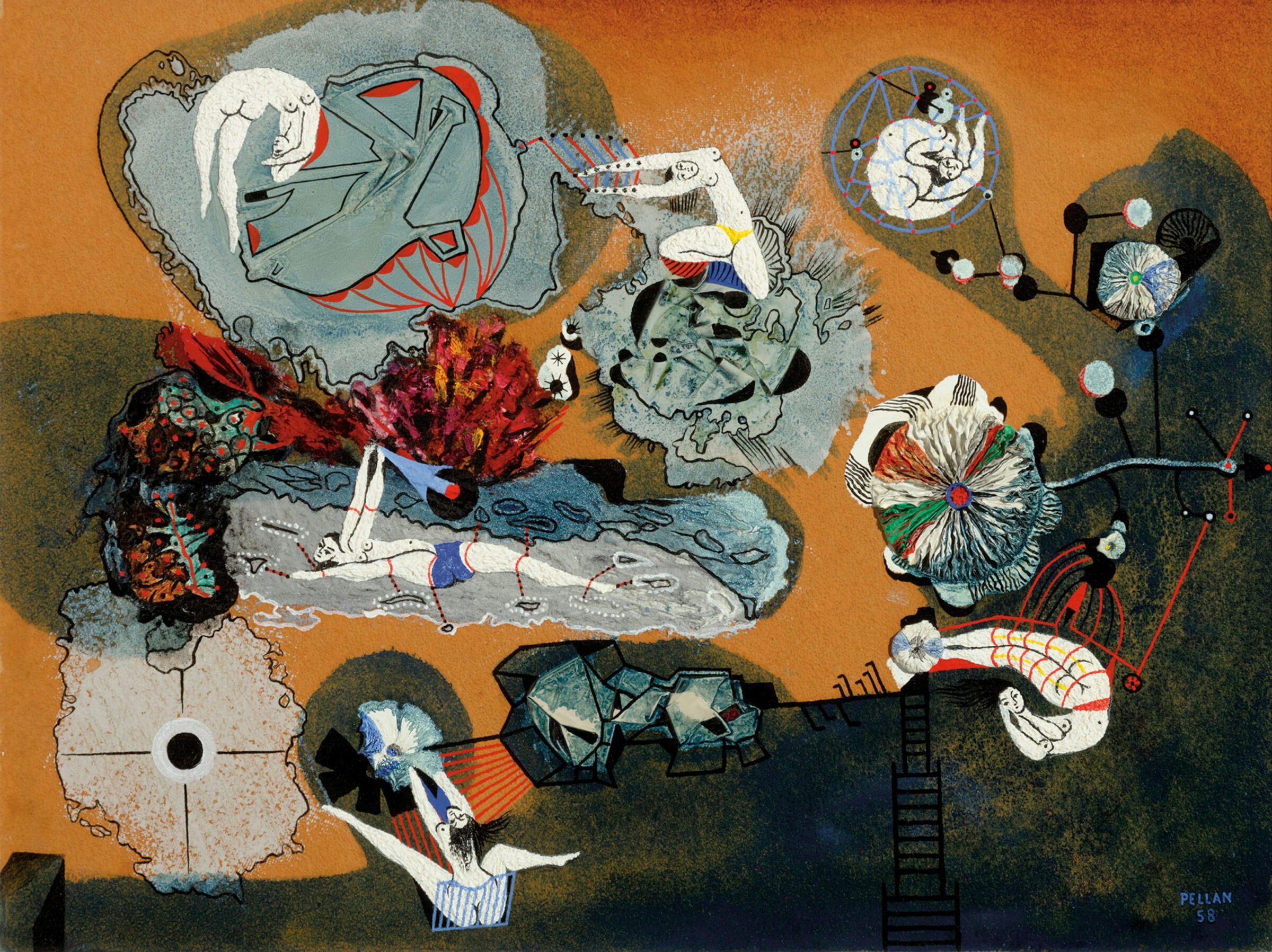
    Alfred Pellan fut l’un des premiers artistes québécois à introduire le modernisme européen au Canada. Après avoir étudié et travaillé à Paris dans les années 1920 et 1930, il retourna à Montréal avec un style audacieux et imaginatif influencé par le surréalisme, le cubisme et le fauvisme. L’œuvre de Pellan est rare sur le marché des enchères, et nous sommes ravis de présenter cette saison deux œuvres dynamiques, Chasse sous-marine et Au soleil noir, toutes deux datées de 1958.

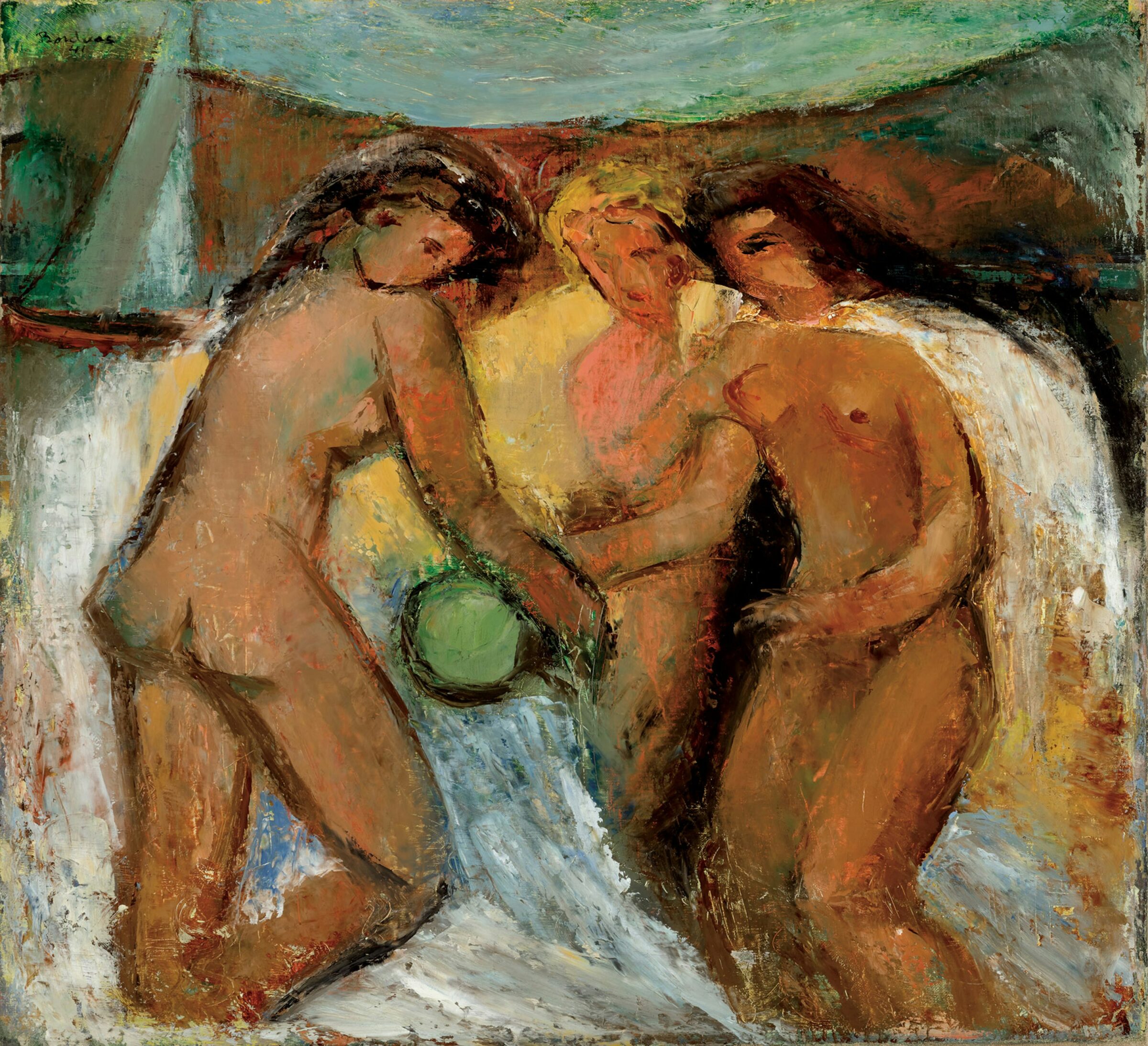
    Cowley Abbott a également l’honneur d’offrir deux œuvres rares de Paul-Émile Borduas, figure centrale de l’art abstrait canadien et chef de file des Automatistes. Défenseur de la liberté artistique, Borduas contribua à ouvrir une nouvelle ère de modernité au Canada et inspira les transformations sociales et culturelles qui ont suivi lors de la Révolution tranquille. Les Trois baigneuses, une huile sur toile de 1941, témoigne de son intérêt pour l’approche formelle de Paul Cézanne, cette œuvre s’inspirant particulièrement des Grandes baigneuses du Philadelphia Museum of Art.

    La gouache Abstraction no. 10 ou Figure athénienne fait partie d’un ensemble de quarante-cinq œuvres exposées au printemps 1942 à Montréal lors de l’exposition Œuvres surréalistes de Borduas. Cette présentation est largement reconnue comme le point de départ du mouvement automatiste montréalais.

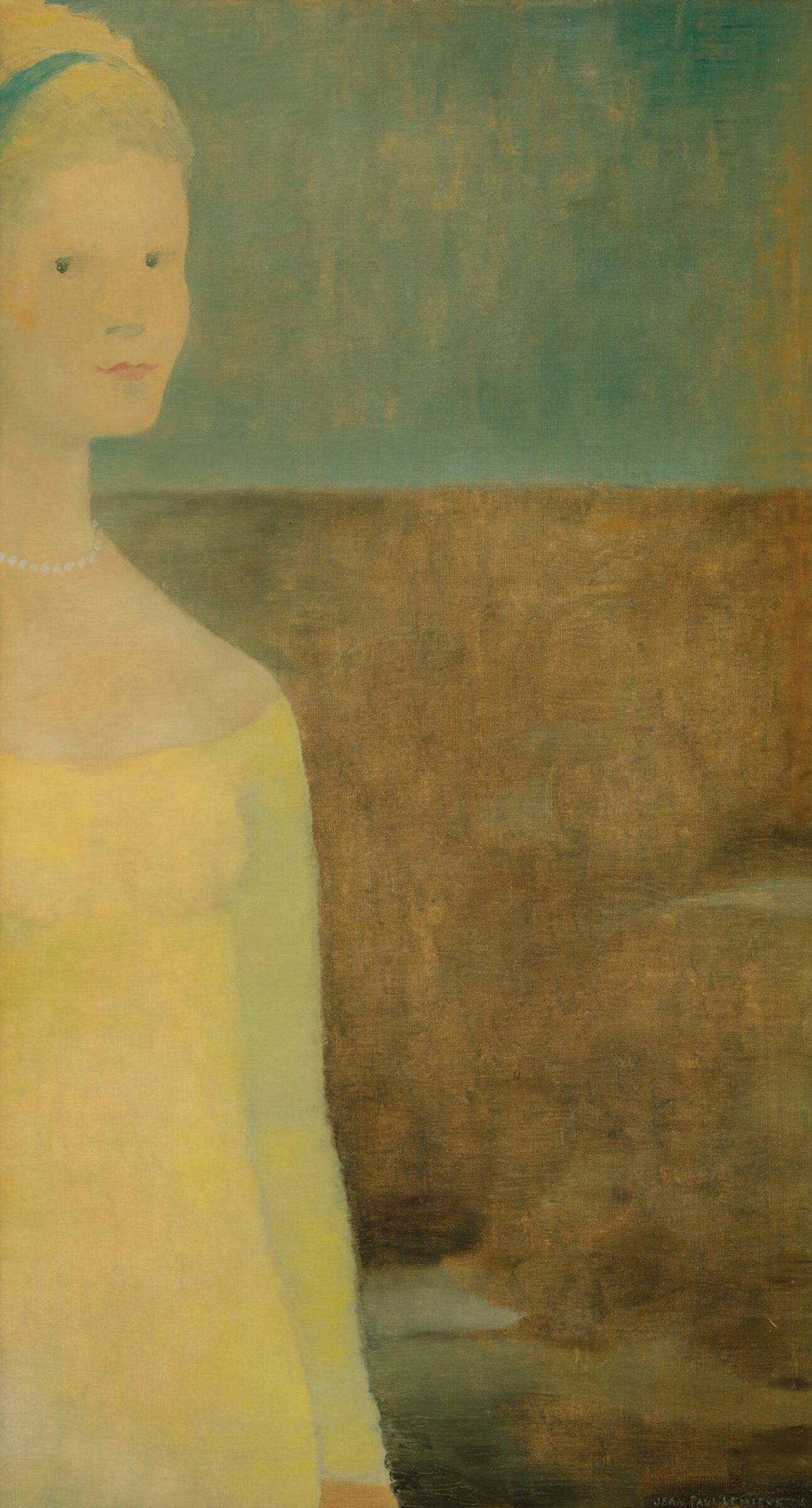
    Peinte en 1964, au cœur de sa « période classique » la plus connue, Jeune fille en jaune illustre l’exploration par Jean Paul Lemieux de la figure humaine placée dans un vaste paysage ambigu, évoquant immobilité, introspection et humanisme.

    Ces œuvres célèbrent la contribution exceptionnelle de la province à l’histoire de l’art canadien, dans sa recherche de beauté, son esprit d’expérimentation et la force durable de son identité. Le Québec a constamment été une force motrice, particulièrement dans les moments de changement et d’innovation artistique. Cowley Abbott est honoré de présenter cette sélection d’œuvres et a hâte d’accueillir les collectionneurs pour découvrir et enchérir sur ces chefs-d’œuvre lors de la vente aux enchères de maîtres canadiens du 26 novembre. Cliquez ici pour consulter le catalogue de la vente.

  • Ideas Of Far North at Cowley Abbott

    Now on view at our gallery until September 30th, Ideas Of Far North was curated by Mark A. Cheetham, exploring how visions of this region have changed over a century.

    From early maps to lavishly illustrated travel narratives to oral histories, paintings, and prints, images of the far north from both southern and Indigenous standpoints have been increasingly integral to its understanding. Beginning in the 1920s, some of Ontario’s best-known artists, notably Lawren Harris, A.Y. Jackson, and later, Doris McCarthy, travelled to, pictured, and defined for many southerners the look and nature of the far north, including the Arctic. Their views encapsulate a still-potent identity for many Canadians, but for others, paradigms to revise.

    Challenged by Indigenous and settler artists, and shaped by global environmental concerns, familiar paradigms have evolved. Once seen as an existential threat, the region is now recognized as itself vulnerable to climate change. The exhibition invites us to examine the constant interaction between different versions of the far north from our southern perspective in Canada and from other parts of the circumpolar north.

    Doris Jean McCarthy, Pangnirtung, 1973. Acrylic on canvas. 24 x 30 ins

    Doris McCarthy is perhaps best known for her images of icebergs. Her first excursion this far north was in 1972 after she retired from a forty-year teaching career. She returned in 1973 and then frequently to different locations in the far north. In Pangnirtung, she presents one of the most physically dramatic locales in Nunavut.

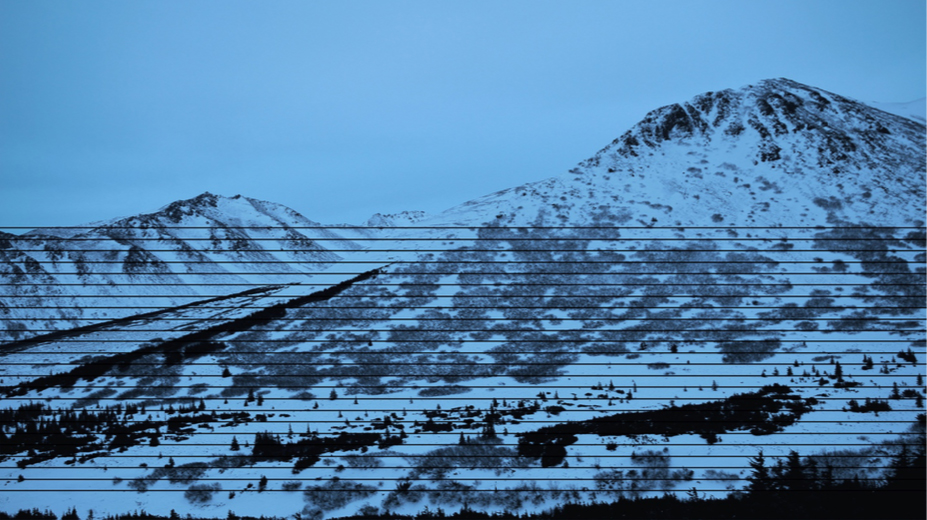
    Paul Walde, Glen Alps Score from “Alaska Variations”, 2016. Archival digital print on matte paper.
    15 x 33 ins

    Glen Alps is an aural and visual mapping of the flora on Little O’Malley Mountain at Glen Alps in Anchorage, Alaska. Walde composed the score by “assigning instruments to each major grouping of vegetation on the mountain face; [he] translates the location and size of the trees and shrubs into standard notation, with each species being represented by a group of instruments.” He explores the considerable extent to which plants at higher altitudes and latitudes are especially vulnerable to climate disruption. His sonically emotive Glen Alps is an explicitly environmental artwork and an example of ecoacoustics. If he were to redo the work now, after almost ten years, change in the vegetation would produce a different score.

    Laura Millard, Crossing 1, 2017. Digital print on Hahnemuehle paper with graphite, gouache and chalk.
    44 x 65.5 ins

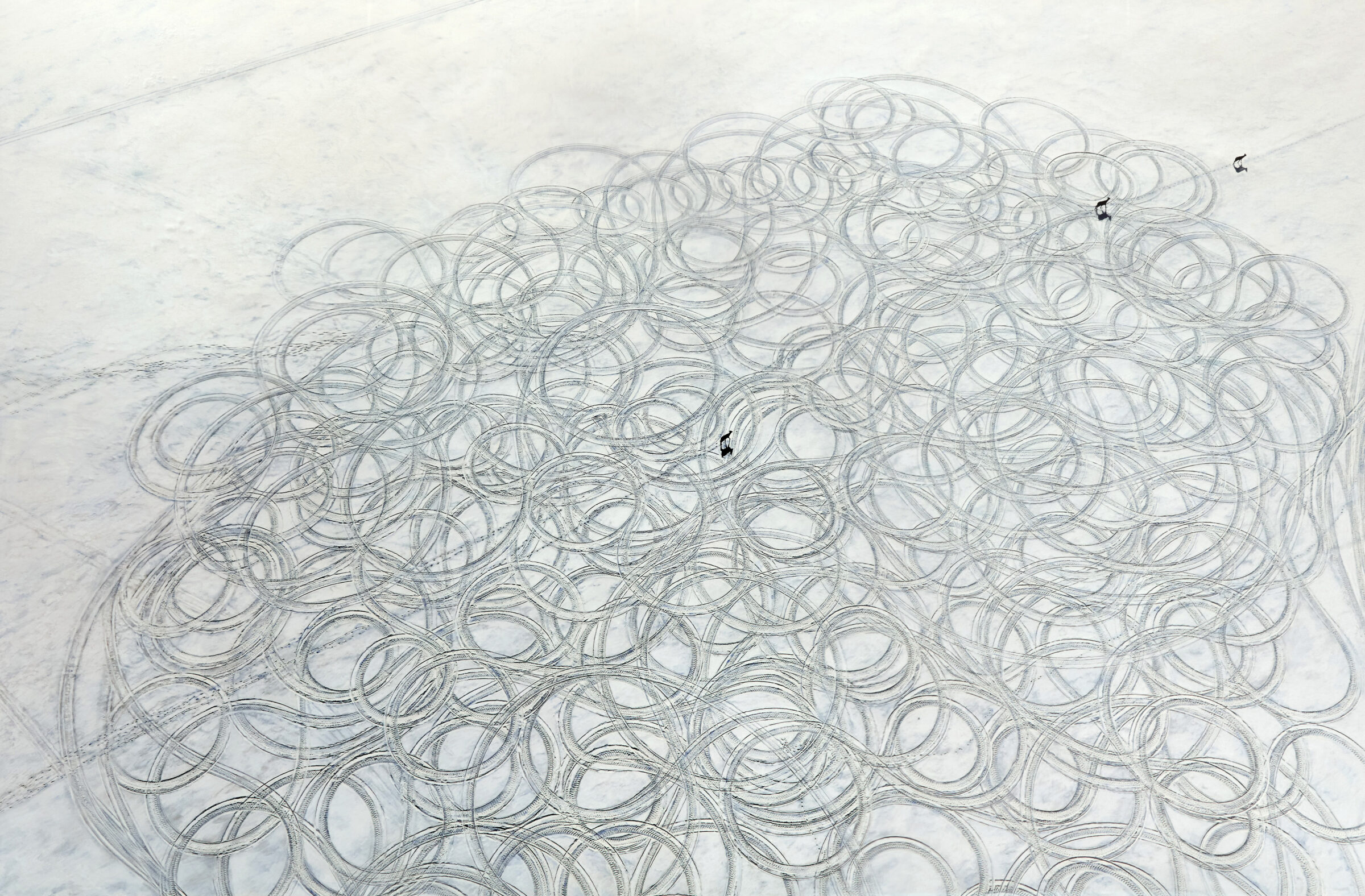
    This remarkable image was made at Three Mile Lake in the Muskoka Lakes region north of Toronto. That it is a drawing over a drone photograph begins to suggest its innovativeness, as does the fact that the interlacing circles on the frozen lake were inscribed by Millard with a snowmobile. The inevitable racket of producing this ephemeral pattern contrasts profoundly with its stillness as an image, an evocative silence claimed by the deer—captured serendipitously by the drone camera—as they purposefully cross the lake in a straight line. Crossing I makes an environmental point. In Millard’s words, “I am interested in the contrast between the orderly movement of the deer against the chaotic path of the Skidoo and how it reverses our assumptions of the rational human and the wild animal.”

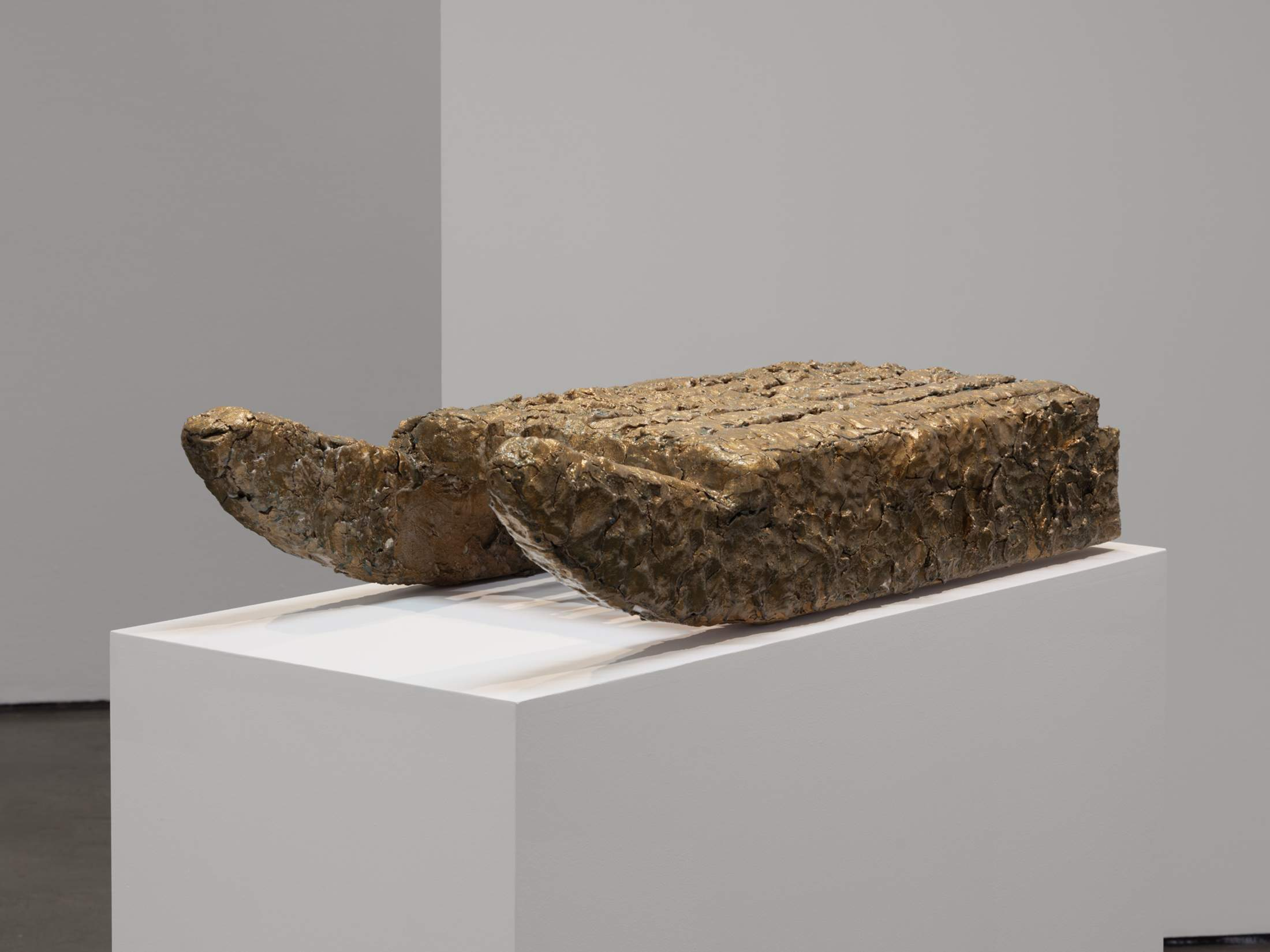
    Maureen Gruben, Untitled (Sled), 2023. Salvaged sled, clay and acrylic on paint. 33 x 14.5 x 6 ins. Courtesy of the artist and Cooper Cole, Toronto

    Maureen Gruben grew up and now works in Tuktoyaktuk, on the Arctic Ocean in the Inuvik Region of the Northwest Territories. Her parents were traditional Inuvialuit knowledge keepers, a culture she maintains through works such as Untitled (Sled). She has arranged and photographed modern, working versions of the qamutiiks (sleds) not unlike those we see in A.Y. Jackson’s painting. But this sculptural example is different because it has been built up from a toy sled, an armature that Gruben salvaged—as she often does—from her local landfill site. The work is literally recycled, an environmental priority she embraces and also a metaphor for the reappearance of this Inuit invention in miniature. Without picturing a landscape, this work is very much about land, its uses and preservation. Gruben maintains the original’s playfulness in an art world setting by placing the toy on a plinth and reconstituting its surface to give it the appearance of a ‘serious’ bronze sculpture.

    Analogue photography is inevitably a recreation, a ‘fixing’ of momentary light conditions. Tristan Duke takes the self-referentiality of this material fact further by fabricating his photographic lenses from the same glacial ice that he photographed while on the Arctic Circle Residency Program in Svalbard in the summer of 2022. In a material and an elusive, haunting sense, he is photographing ice with ice. The ice is creating a pictorial autobiography. The wet surfaces of his ice lenses betoken melting glaciers, yet ironically, without the clarity of this liquid surface, his photographs would not be successful.

    Tristan Duke, Life Boat at Dahlbreen Glacier, Svalbard 02, 2022. Ice lens photograph, pigment print.
    42 × 60 ins

    Life Boat at Dahlbreen Glacier, Svalbard 02 is an image of everyday transport to and from the expedition ship Antigua. Yet the global climate emergency might make us think of climate refugees or of an immediate maritime crisis. Duke asks, “is this the rescue party or the ones in need of rescue?” And where is the pilot heading? This question could be extrapolated to the Arctic and the planet.

    Tristan Duke, Palisades Fire, California 03, 2025. Ice lens photograph, pigment print. 42 x 60 ins

    Not content to show us the climate crisis in the far north alone, Duke has also photographed fires with ice lenses. Here he materializes two bold ideas: the first lenses used for starting fires were made of ice by Zhang Hua in third-century China. Today, the climate disruption experienced at the poles is also responsible for the increased frequency of fires worldwide.
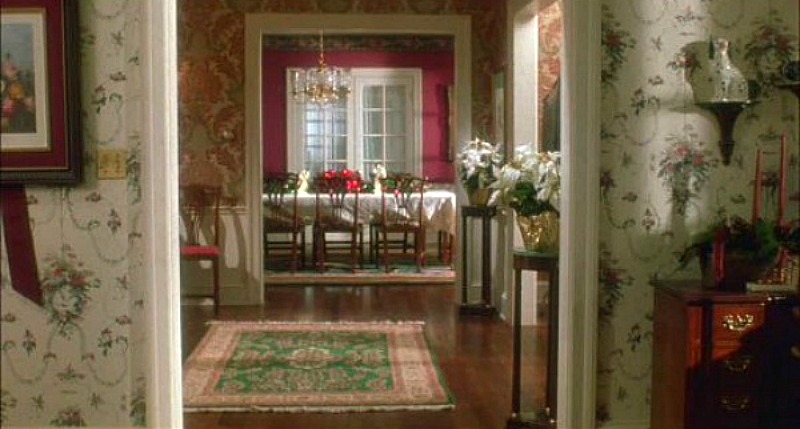
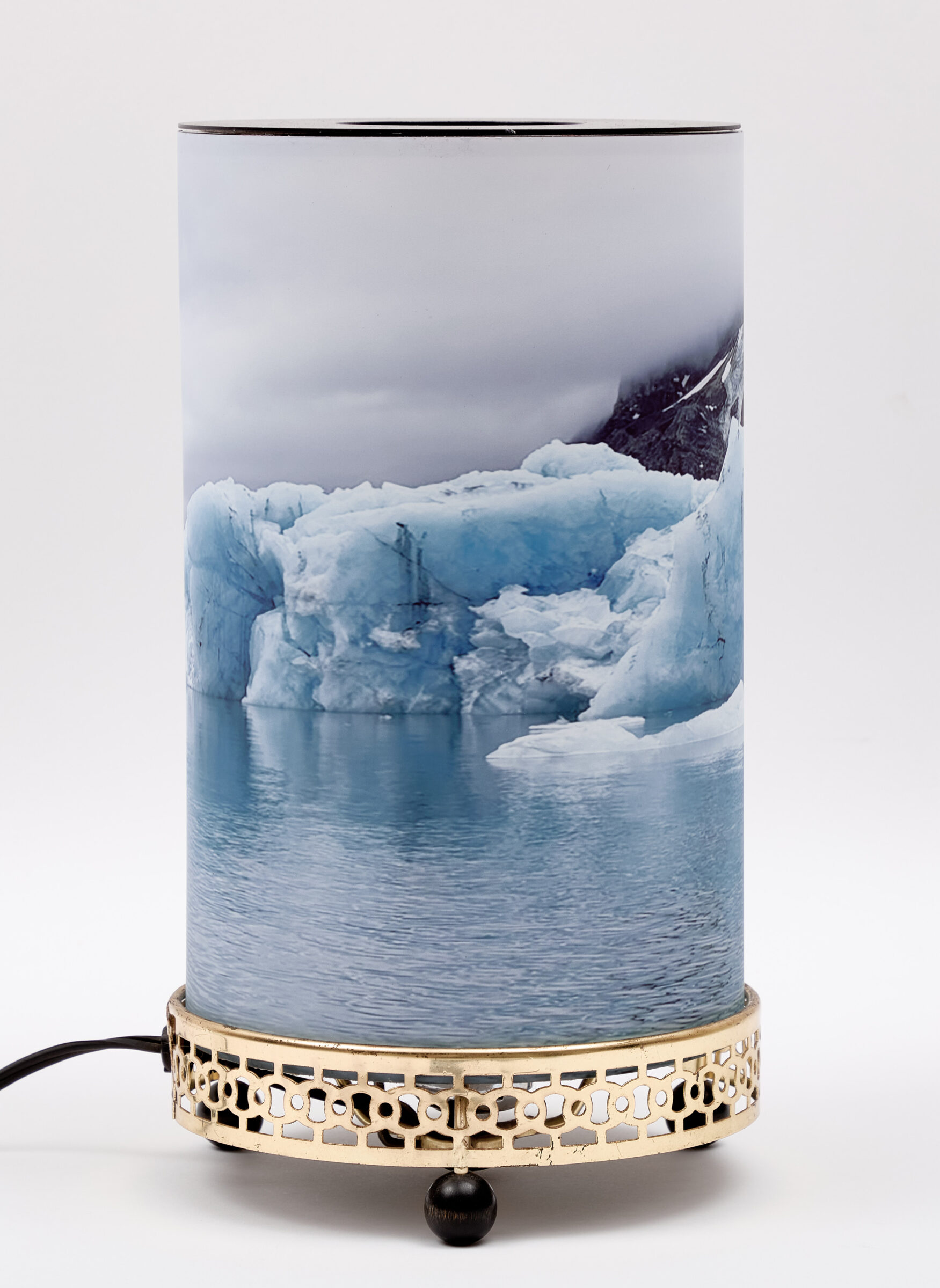
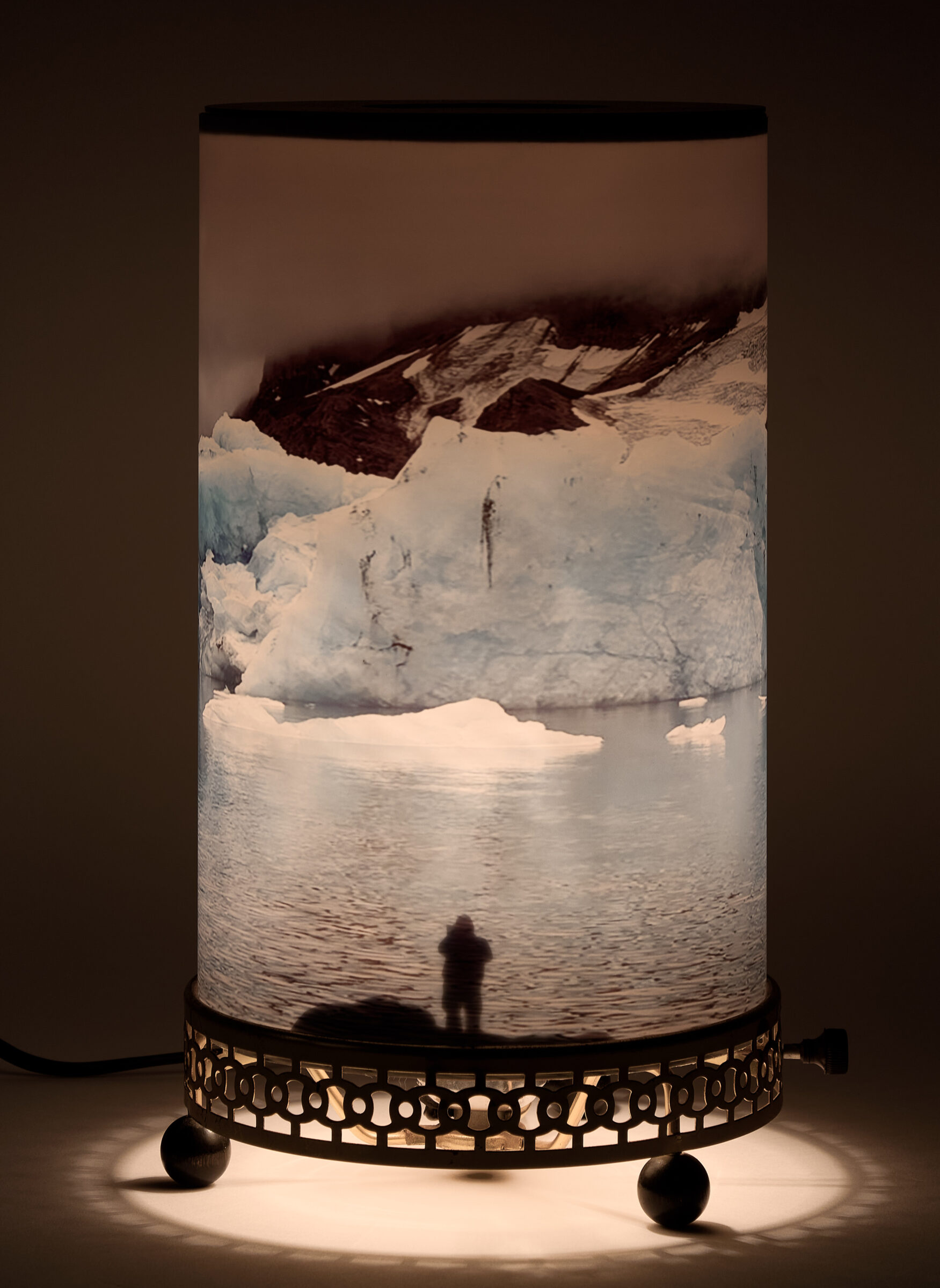
    Laura Millard was part of an invited group of artists and scientists on the Arctic Circle Alumni Residency in the Arctic Archipelago of Svalbard in the summer of 2024. These islands at 82 degrees north are heating more quickly than anywhere else on the planet, with a dramatically negative effect. Among Millard’s reckonings with this reality is a suite of motion lamps that combine her photographs of disappearing glaciers with lamps that rotate thanks to heat convection from their bulbs. Popular in the mid-twentieth century as mementos of tourist sites such as Niagara Falls, Millard reconstitutes the lamps themselves and what they show to underline the increase in global temperatures in the increasingly touristic far north. People watch this happening in her images, but as in Crossing 1, we humans are turning to climate issues too slowly, even pointlessly ‘going in circles.’ The lamps seem as poignantly fragile as the ecologies they present.

    To inquire about the availability of these works, please contact us at [email protected]

    Ideas Of Far North
    Life & Environment
    1920s – 2020s


    August 27 – September 30
    On view at Cowley Abbott

  • In Conversation                      with Ludlow & Veh

    In Conversation with Ludlow & Veh

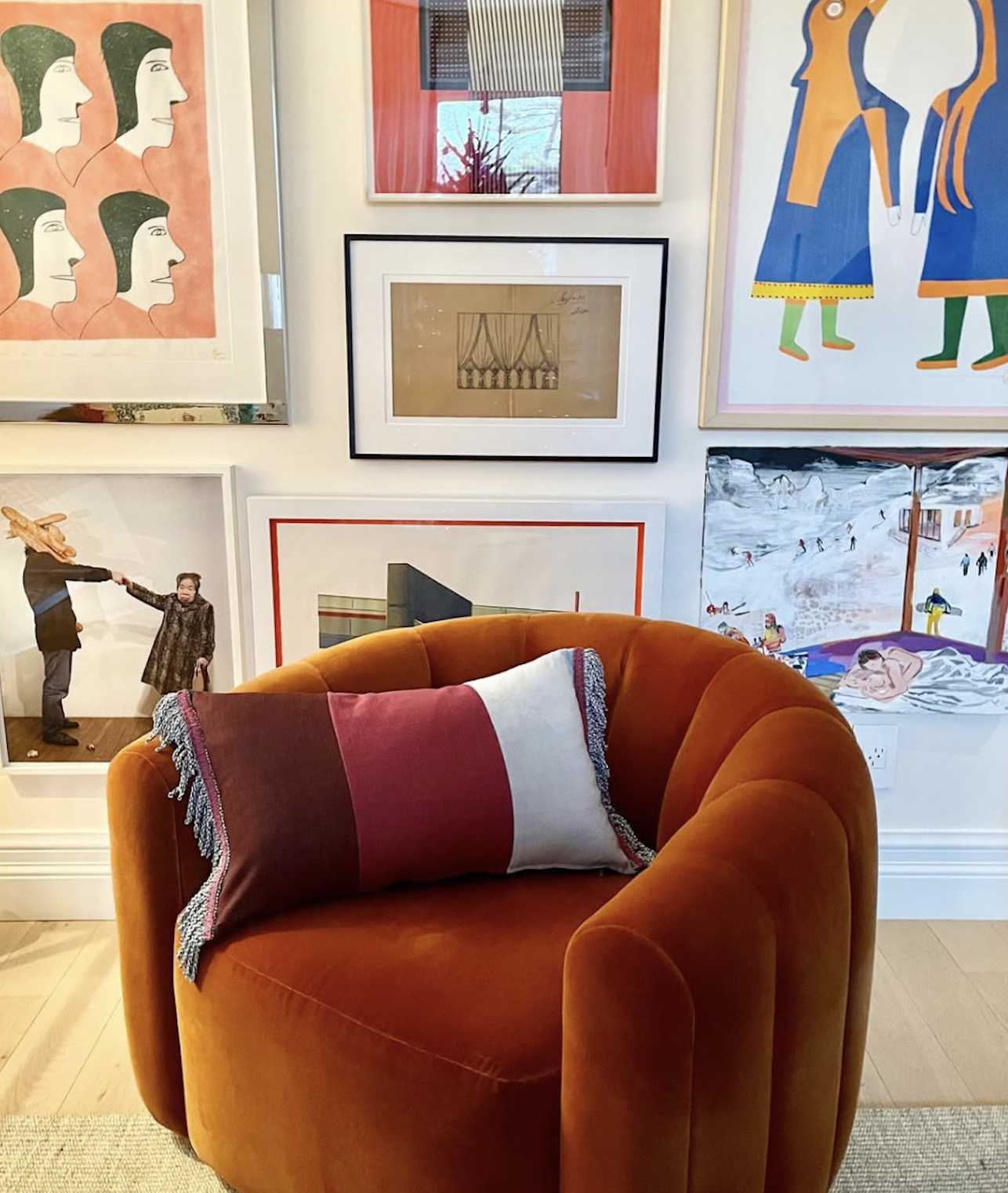
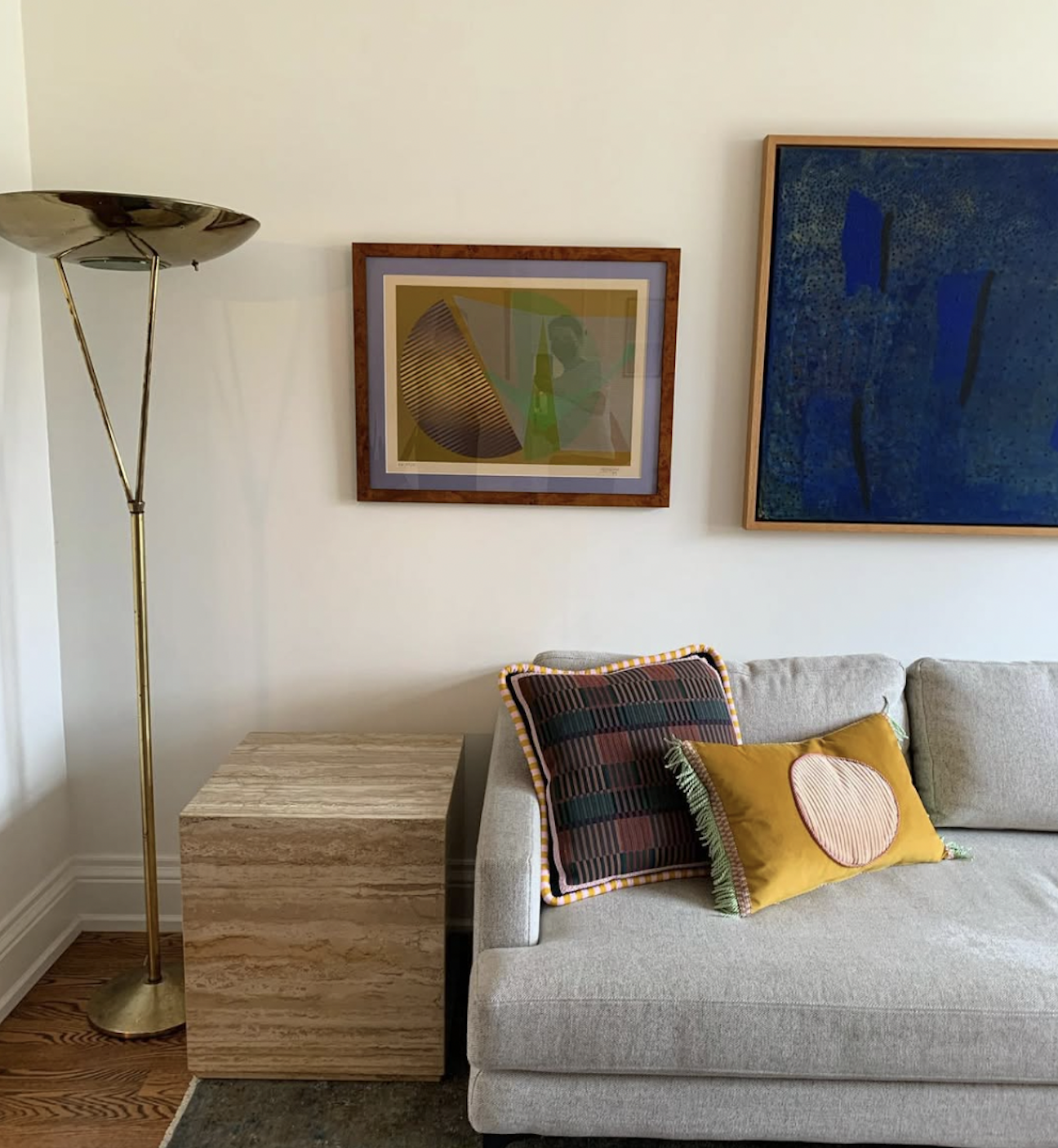
    Join Art Specialist Katherine Meredith as she speaks with Simone Ludlow and Erika Veh, designers of handmade one-of-a-kind cushions using vintage fabrics. Their company Ludlow & Veh also offers interior design and art advisory consultations. With backgrounds in art history, auctions, design and marketing, they share Katherine’s passion for collecting art with patience and intention.

    How would you describe your design style?

    Slow design. Not all the same style, not all the same era. Balance, texture, layers, not matching, eclectic. We love including vintage pieces and antiques, something with a patina and a story to it. If you do it intentionally and lovingly, it will work. Never feel like something is done. There is an expression that goes something like- “a room is only finished when you run out of money!”
    Where do you find inspiration?

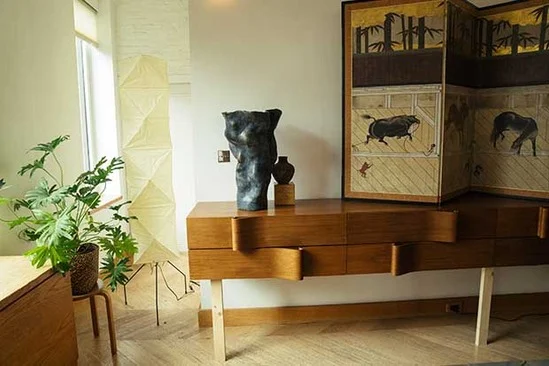
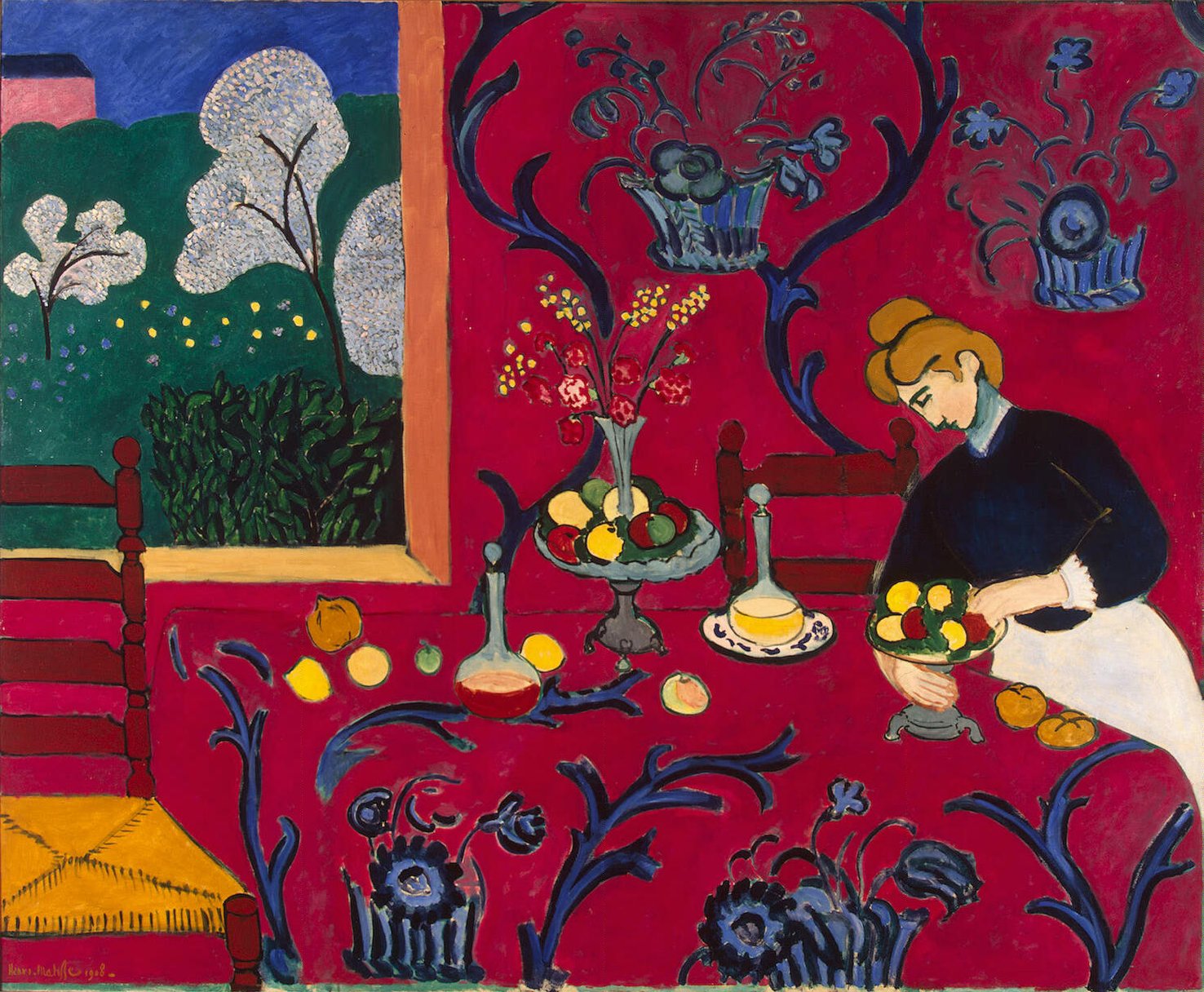
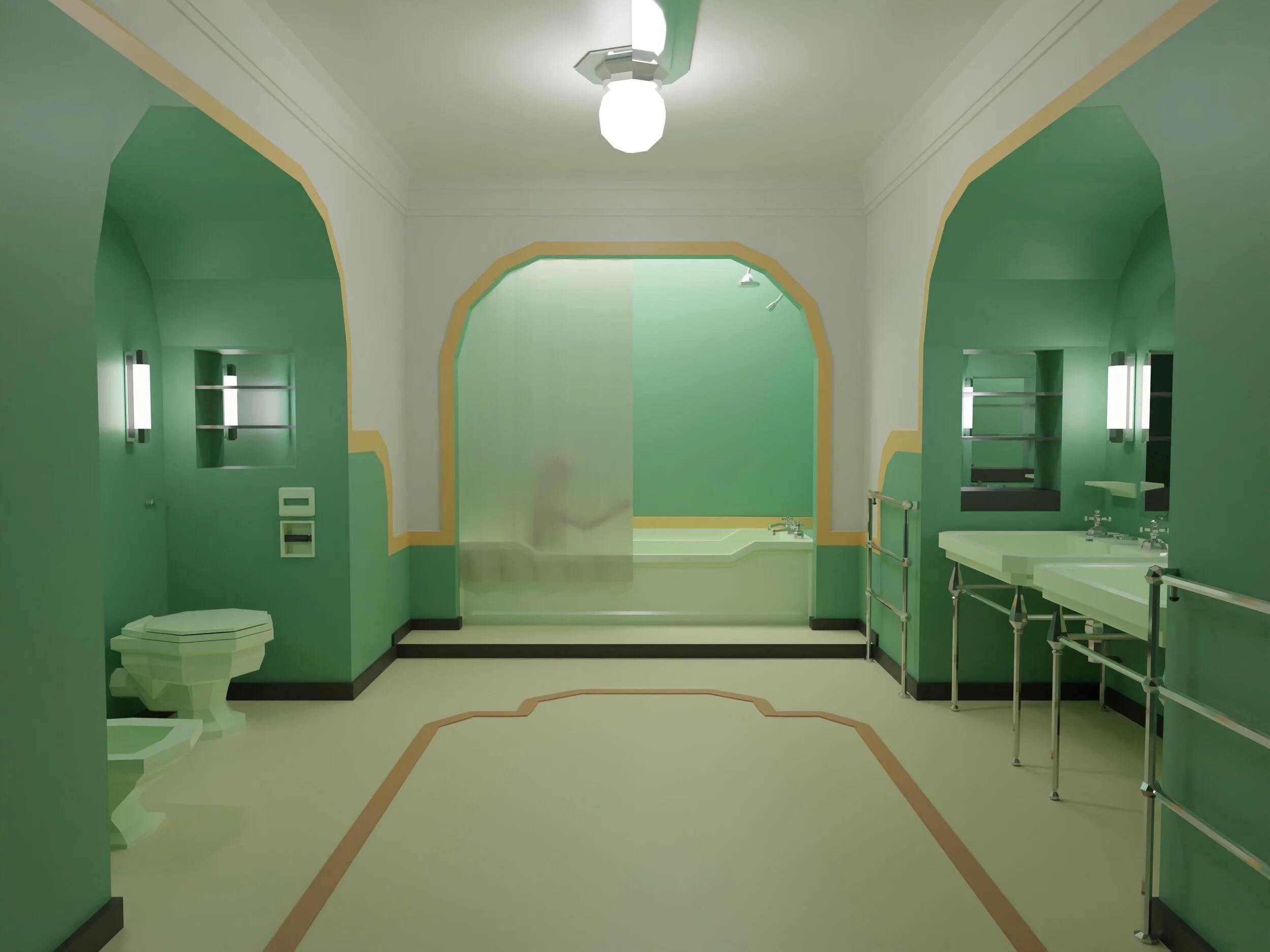
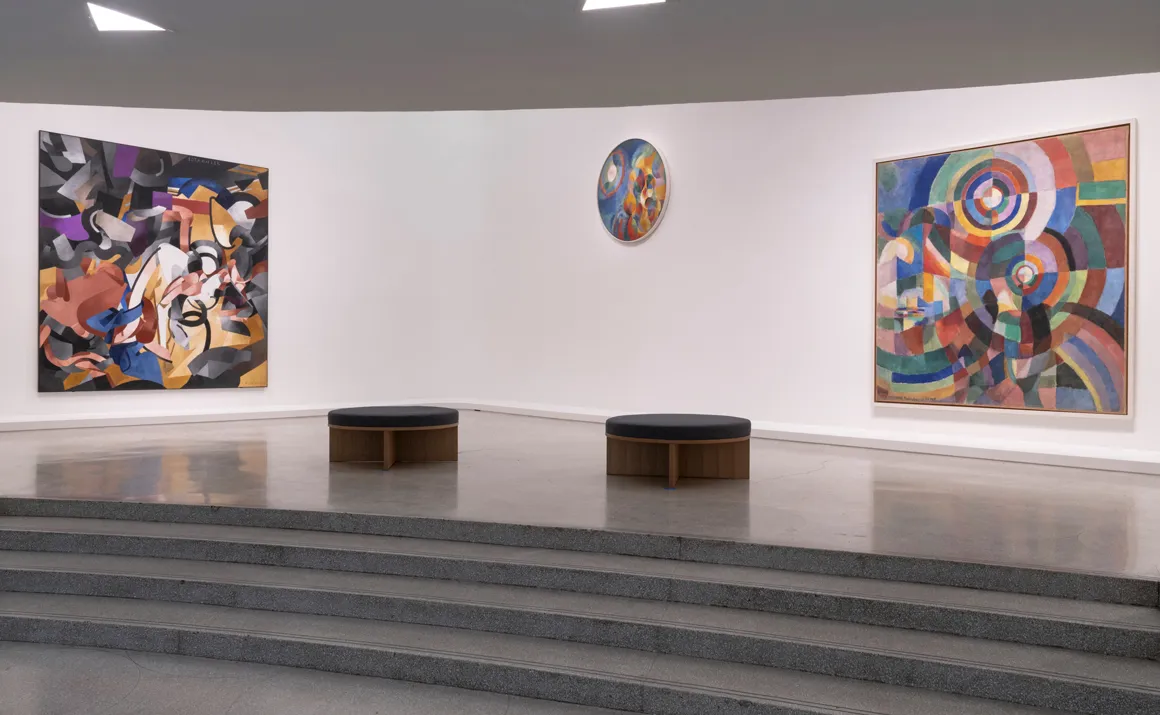
    Art, nature, travel, film. Pedro Pascal’s apartment in the recent film Materialists, and movies like Home Alone, The Shining, I am Love, and The Birdcage. We are inspired by place and time. Matisse interior paintings. Unusual colour combinations we spot on the street or in nature.

    Why do you think original fine art is an important part of interior design?

    It’s a layer that finishes everything. Art adds a depth and a tone of your own personality to your home. There is something lively to a home filled with original art. It takes emotion. You don’t want your house to look like a staged showroom, or the same as the house down the block. A mass-produced print from a box store doesn’t elicit pleasure, it just fills a wall. Art adds personality, meaning, joy.


    What advice would you give to someone who is new to art collecting?

    Buy what you love, and then your house will be a reflection of your personality. It doesn’t matter if the artist is new, local, unknown or from the past. It doesn’t have to be expensive. It should be something that speaks to you. Don’t set out to buy art that matches your decor. If you love it, it will work and you will find a place for it. Have a bit of patience. People want things so quickly and so effortlessly, but it means so much more when you take your time and put effort into it, and it shows. You feel better about it because it’s a reflection of you.

    How do you approach auctions specifically, in comparison to other ways of acquiring art? Do you find any advantages or challenges?

    Advantages: you see such a broader scope of art, and artists you wouldn’t normally see or necessarily seek out. Better value. There’s no inflated art gallery commission – the price is what the market will stand.

    Challenges: the high volume of artwork – you have to have the patience to look through the entire listing. Everything at auctions is framed “as-is” and it can be difficult to imagine a work in a new frame that is better suited to your space. But framing is everything and can really transform the art and the room!


    If you could choose any artworks from Canadian art history to put in your own living room, what would you choose and why?

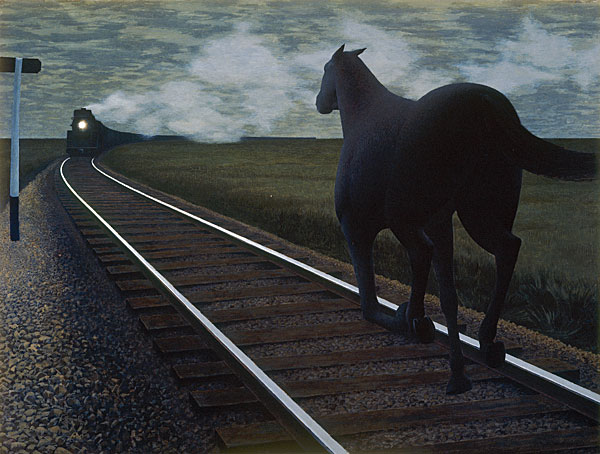
    Erika: There are many Canadian artists I admire and support. If I have to select just one piece – I would have to say Horse and Train (1954) by Alex Colville. Its haunting simplicity captures the tension between nature and machine, which feels very relevant at this time in the world. It also evokes a sense of Romanticism in the solitary, noble horse confronting the unstoppable force of modernity. A reminder that life is constantly moving, changing, and that inevitably time escapes us all. 

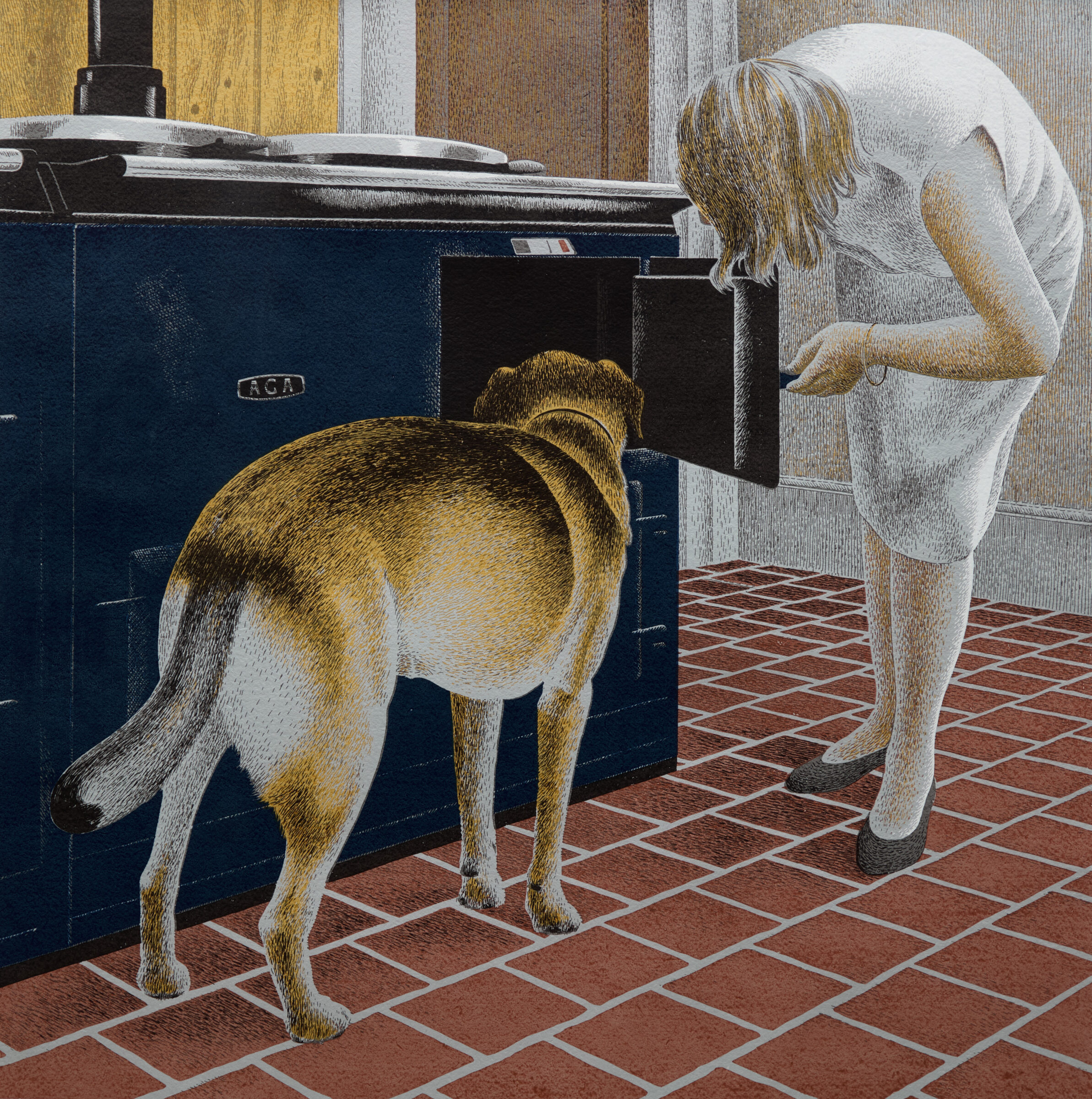
    Simone: This is almost impossible to answer, so I’m simply going with immediate impulses. I love Alex Colville, and I especially love his works featuring dogs, so perhaps Stove. It’s such an intimate and tender piece, and it captures so well the simple (and magical) joy of sharing your life with a dog.


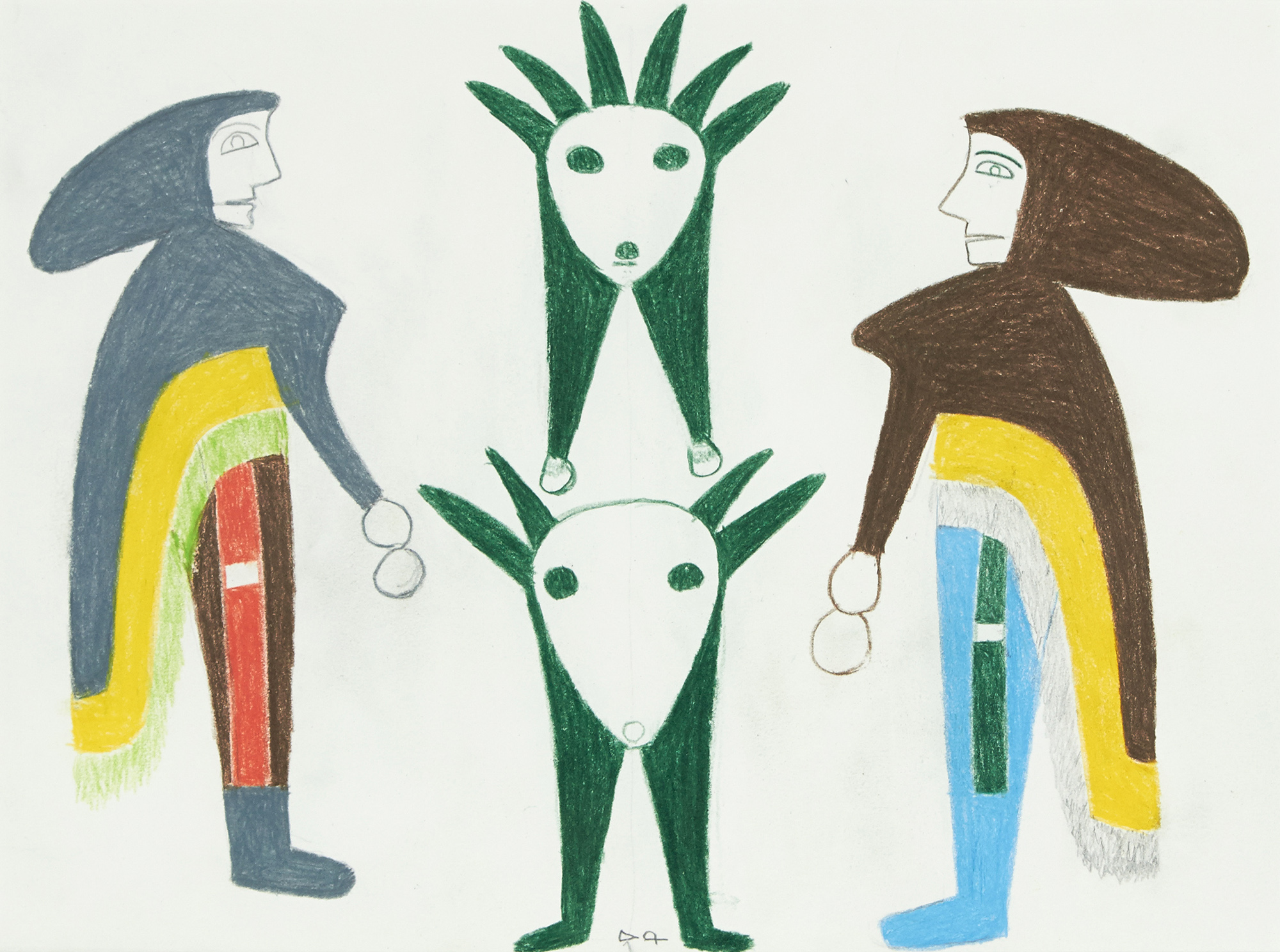
    I also love Jessie Oonark, so almost anything by her. I love her use of colour, and the bold, graphic nature of her work.

    Untitled by Jessie Oonark. Sold by Cowley Abbott in 2014.

    Margaux Williamson’s more recent works of interiors are also favourites. As I mentioned before, I gravitate to pieces featuring interiors, and Margaux’s are so interesting and I find them entirely
    captivating.

    And I mean, who wouldn’t want a Lawren Harris iceberg?

    If you could choose any artworks from ALL of art history to put in your own living room, what would you choose and why?

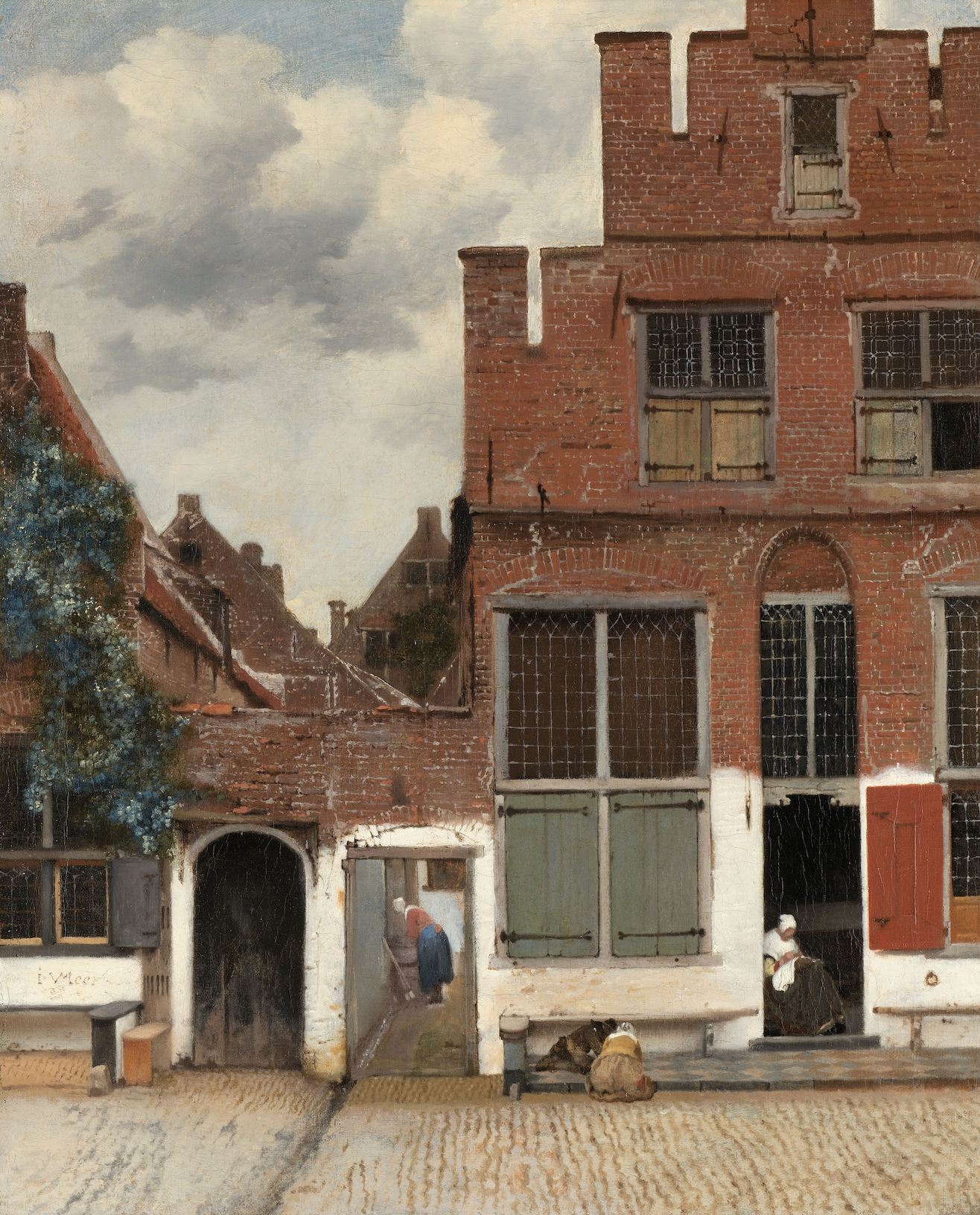
    Simone: This is truly an impossible question! Based entirely on immediate instincts – The Little Street by Vermeer at the Rijksmuseum. I also have always loved David Hockney; he’s so joyful and loves life, and that is so apparent through his work. I saw his recent retrospective in Paris, and I am particularly drawn to the paintings of his home in LA and his British landscapes. Paul Nash’s 1930’s painting Harbour and Room at Tate Modern has also been a constant fascination. I also absolutely love the art and design from the turn-of-the-century Vienna Secession movement led by Gustav Klimt.


    Erika: If I could select a piece of art for my home, it would be Sonia Delaunay’s Electric Prisms (1914). I had the pleasure of viewing it in New York, Guggenheim’s exhibition “Harmony and Dissonance: Orphism in Paris 1910-1930”. Both the scale and bold rhythmic motions of colour have stayed with me ever since. I have also always carried the same admiration for the Nike of Samothrace at the Louvre, a timeless emblem of victory, hope and forward momentum.

    Which artworks from our September online auction do you have your eye on? And how would you style them in a room?

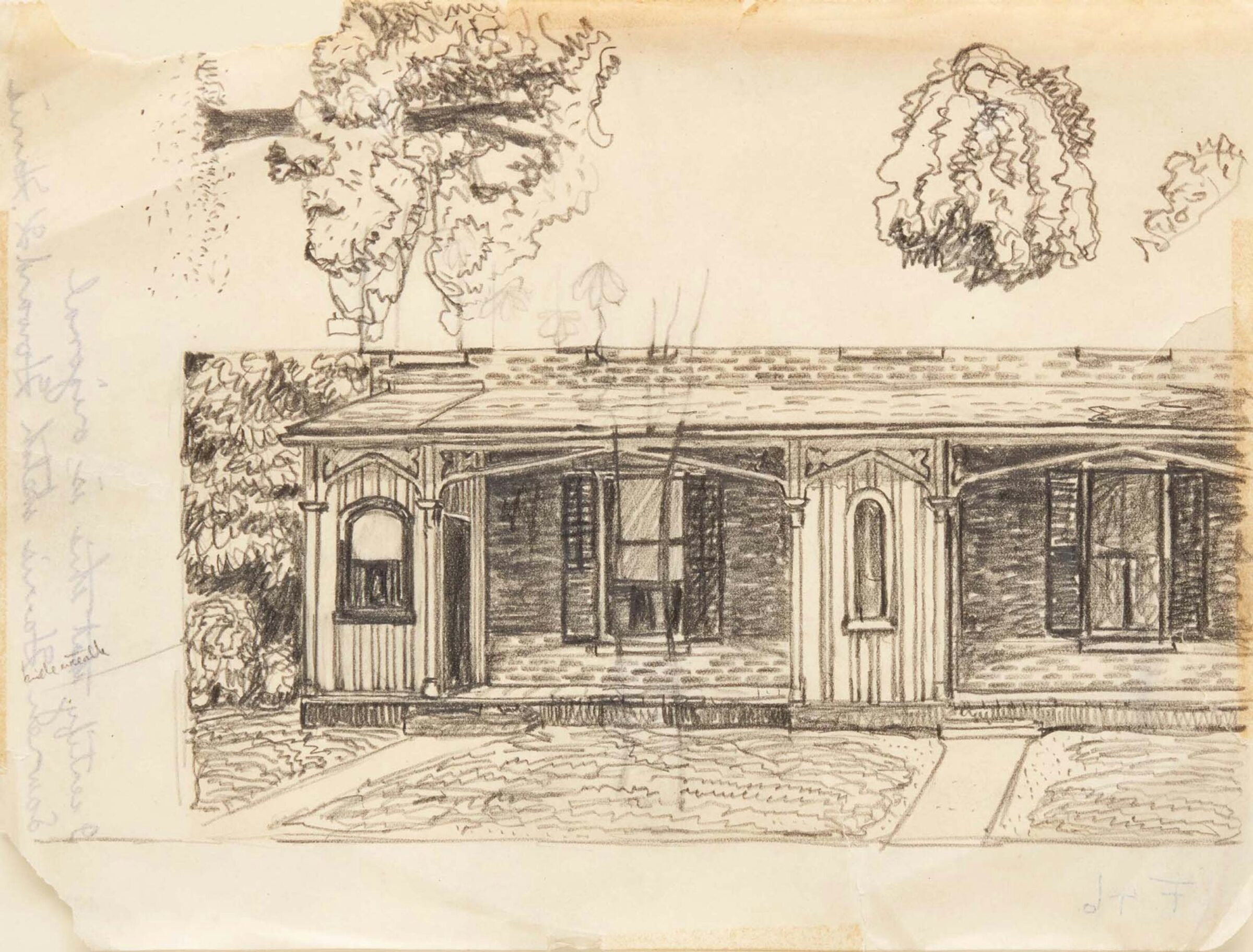
    Simone: What a wealth of beauty to choose from! One selection would be Lawren Harris’ Study of a Verandah. I love witnessing the traces of an artist’s process, and in this piece the sketches of the trees and the script on the paper’s reverse delight me. The verandah itself is also so inviting – the architecture draws the viewer in. I would love to sit there and have a glass of wine.

    Lot 199. Lawren Harris, Study of a Verandah. Graphite. Estimate: $3,000 – $4,000

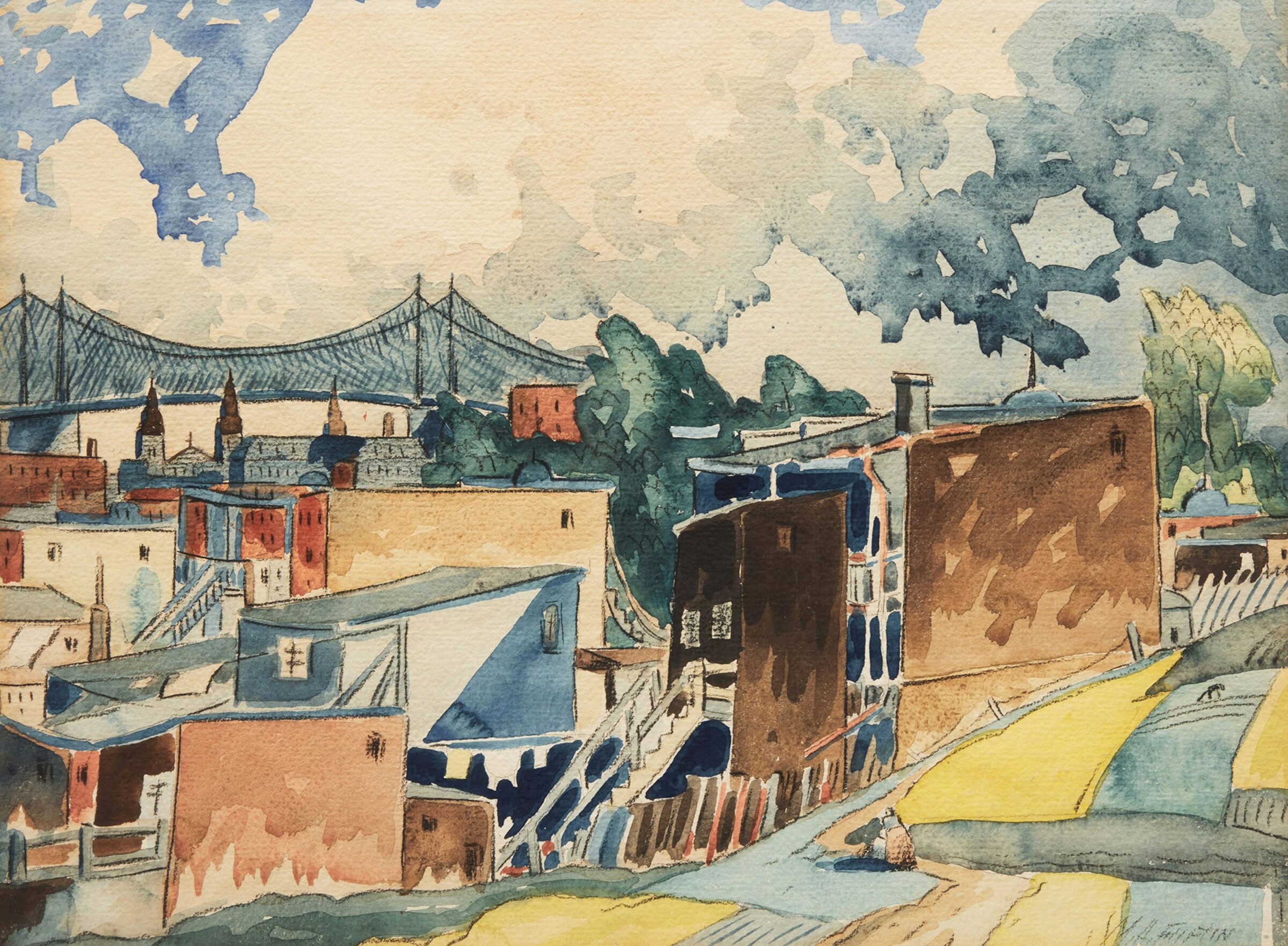
    I also gravitate to Fortin’s Montréal. I love his use of colour and the somewhat chaotic, dense scene he has created. I went to school in Montréal, and this piece evokes the feeling of the city for me – layered, busy, a bit gritty, beautiful, full of life.

    Lot 125. Marc-Aurèle Fortin, Montréal. Watercolour. Estimate: $10,000-15,000

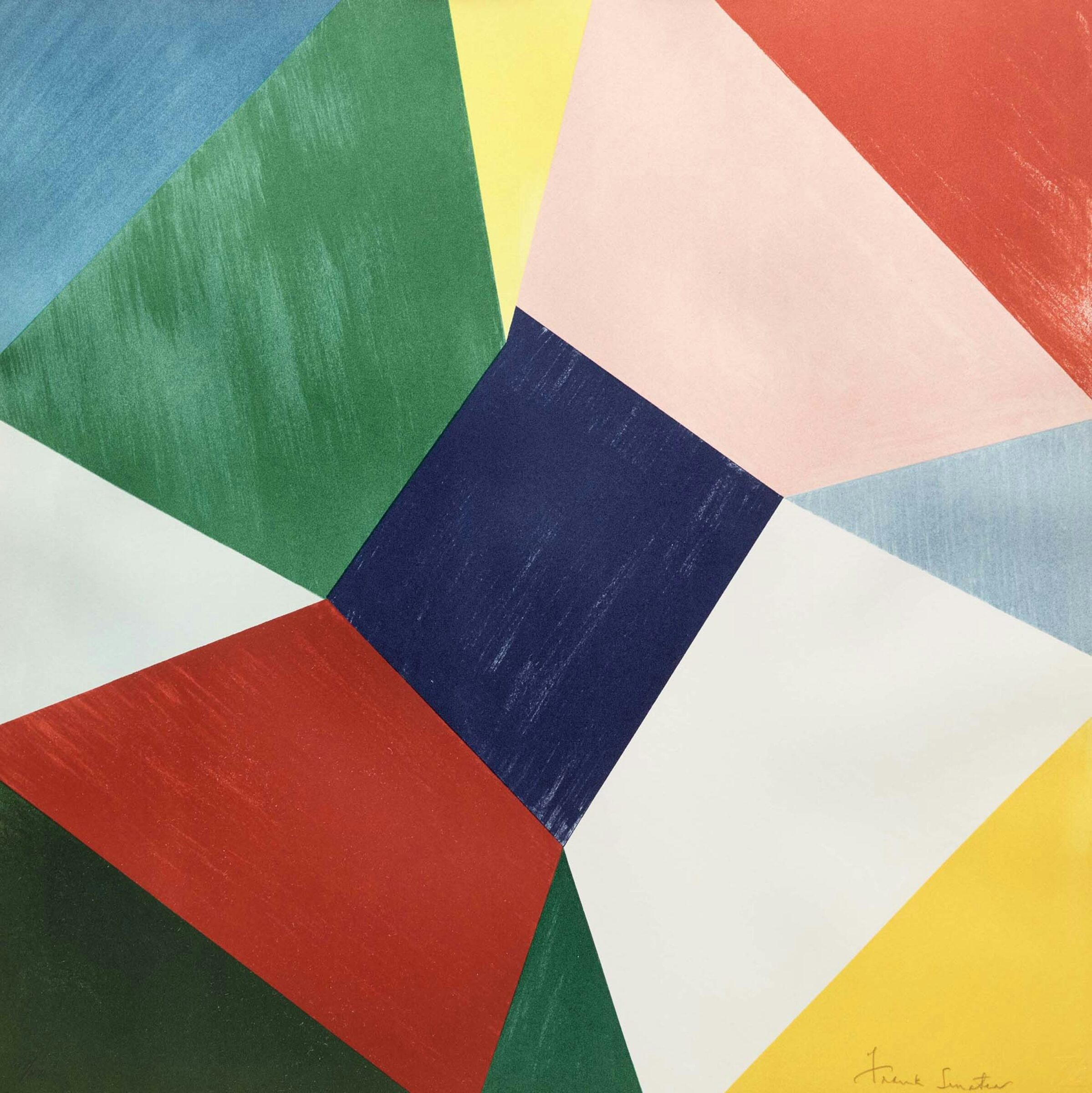
    I also must include some more graphic pieces – I always love them for balance. The colours in Fly me to the Moon by Frank Sinatra (who knew?) are beautiful, and I appreciate the feeling of motion that it suggests. Philomène by Jacques Hurtubise echoes the Sinatra piece in an interesting way, and I would love them displayed together. The blue and red are arresting, and I love their juxtaposition with the off-white ground.

    Lot 17. Frank Sinatra, Fly Me To The Moon. Colour lithograph. Estimate: $900-1,200

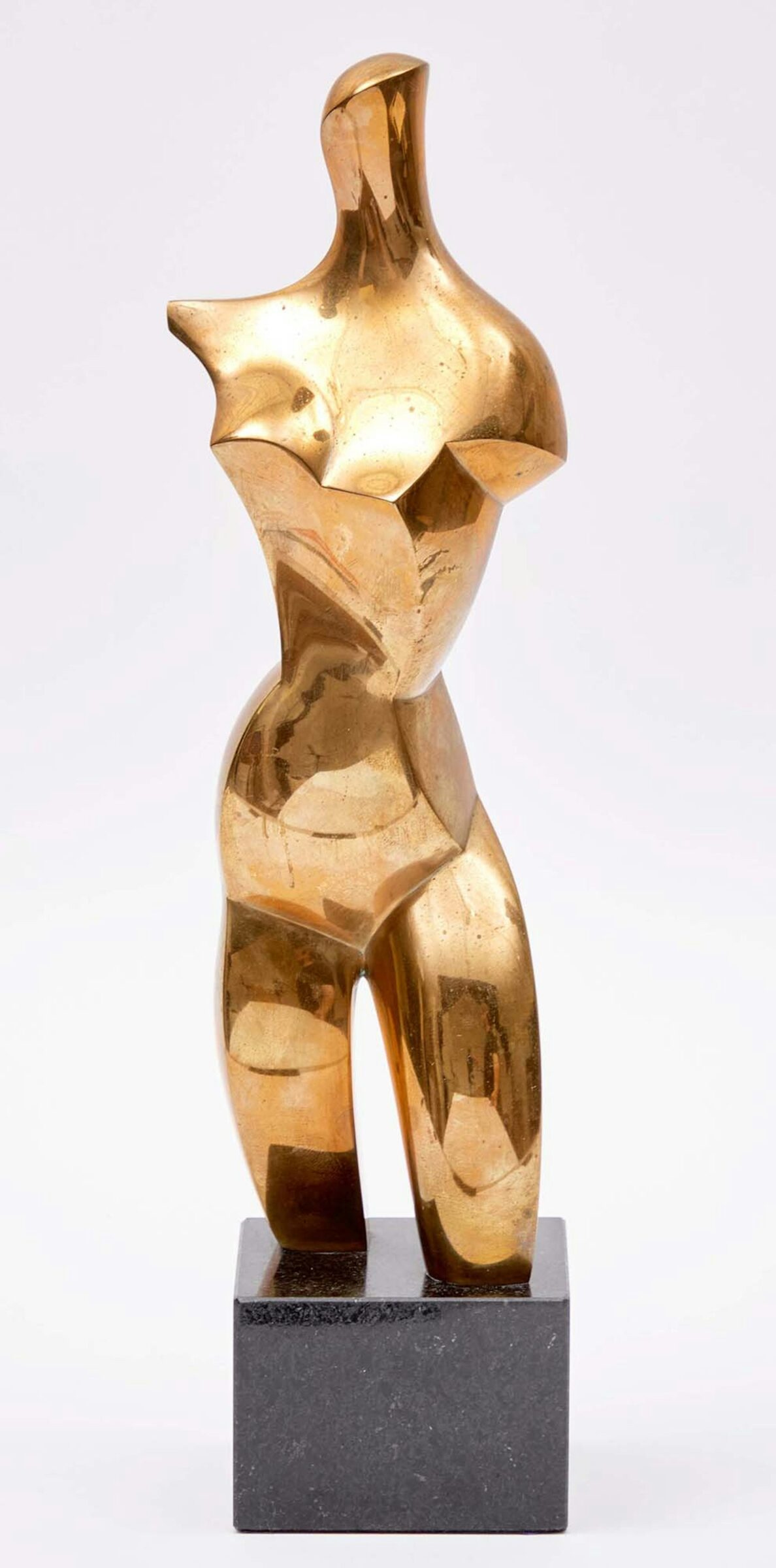
    Erika: I  am in love with Jim Ritchie’s female figure sculpture from the Quebec lot! It inspires me because it reminds me of the beauty, resilience and softness I recognize in the women I cherish in my life. 

    I also have a black and white striped marble plinth where this sculpture would look so stunning! 

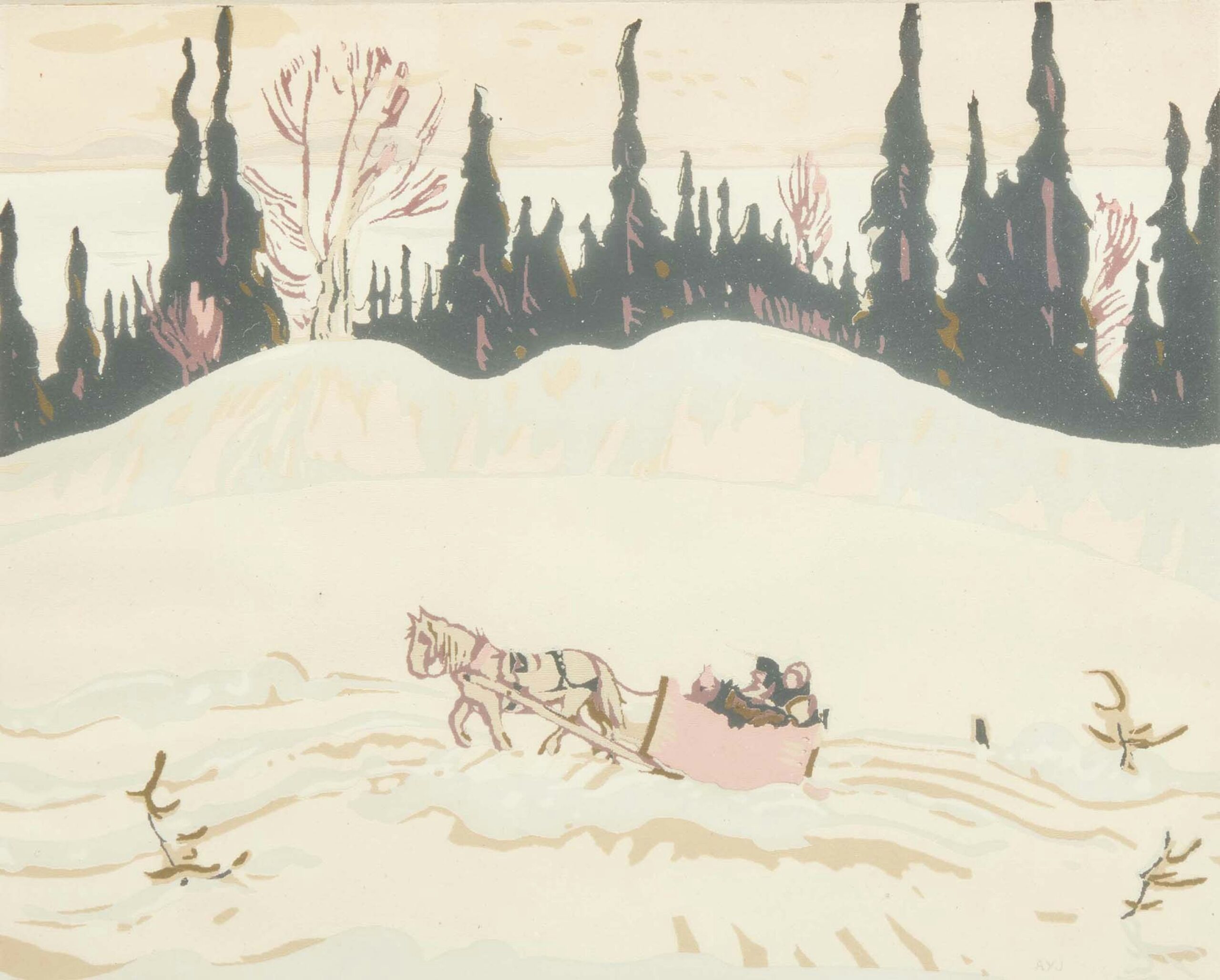
    What I love about Winter Sleighing Scene by A.Y. Jackson is that, while the artist captures a distinctly Canadian winter scene, he departs from the expected palette of icy blues and greys, choosing instead a feminine blush for the sleigh and lively touches of pink in the trees. A choice that brings unexpected warmth and a smile to the winter scene. 

    Lot 207. A.Y. Jackson, Winter Sleighing Scene. Colour serigraph. Estimate: $600-800

    I was also drawn to Fly Me To The Moon by Sinatra for its bold shapes and vibrant interplay of colour, which is a style reminiscent of one of my favourite short lived art movements; Orphism  – with its rhythmic energy and sense of movement.  And perhaps also because the artist was also the infamous crooner! 

    For more information on Ludlow & Veh, check out their website and Instagram. And for further conversation on collecting art with intention, join Simone, Erika and the Cowley Abbott team for our 5 à 7 on Thursday, September 11th. RSVP at [email protected].